
Soakaway Investigations: Why Your Garden Keeps Flooding After Rain

No author • September 4, 2026

Share this article

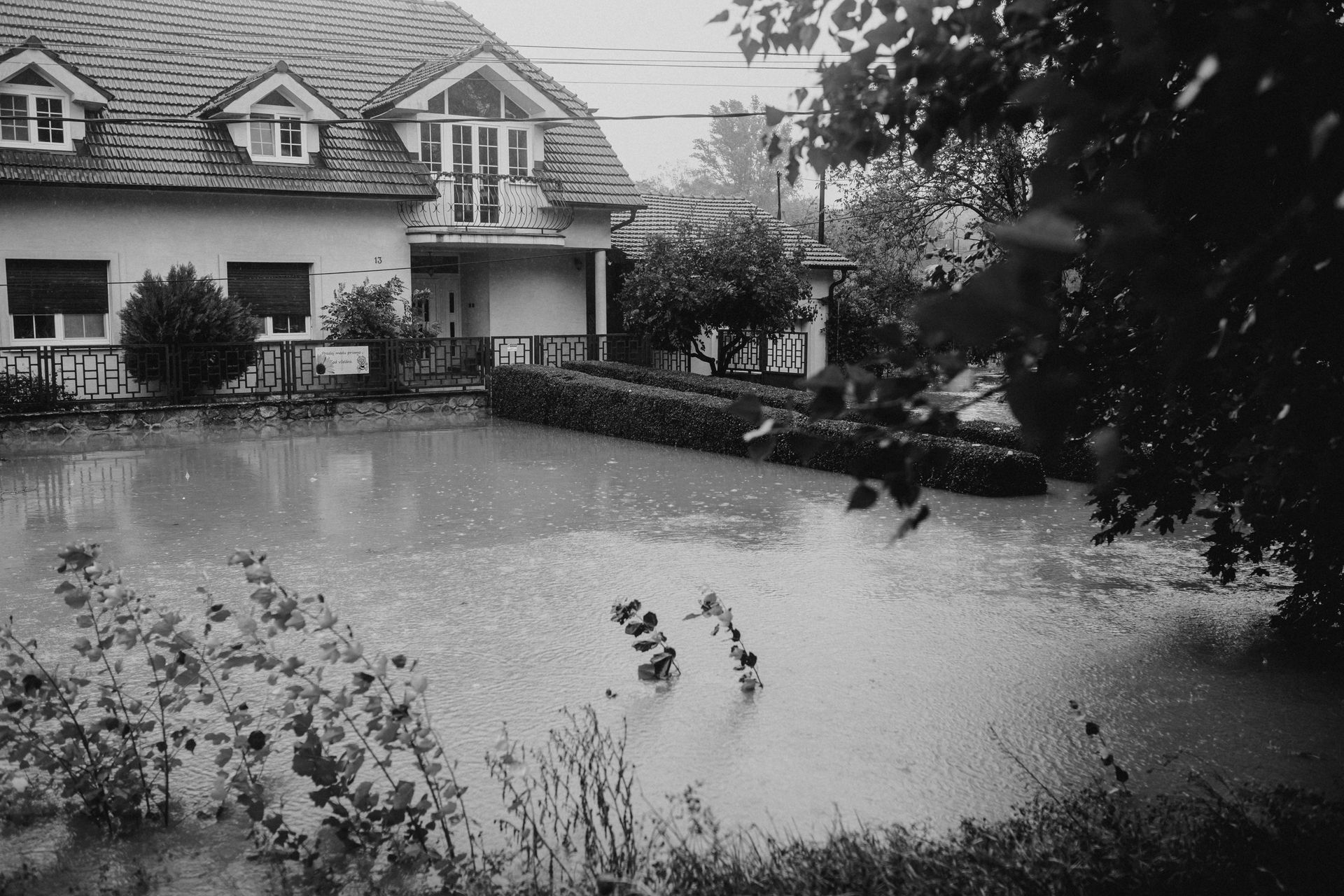
You've had a proper downpour, and by the next morning your lawn looks less like a garden and more like a paddy field. The puddles are still sitting there two, three, even four days later, and the ground feels like a sponge every time you walk on it. If this sounds familiar, the culprit is very often not your main drains at all, it's a soakaway that's stopped doing its job.

A soakaway is one of those bits of drainage infrastructure most homeowners never think about until it fails, quietly dispersing surface water into the surrounding soil somewhere under the garden. When it clogs, collapses or was simply never sized right for your property, all that water has nowhere to go except sideways, straight into your lawn, your patio, or worse, back towards your foundations. In this article, we'll explain what a soakaway actually does, the warning signs that yours is struggling, what a proper soakaway investigation involves, and what your options are for getting your garden dry again.

1. What Is a Soakaway and Why Does Your Property Need One?

A soakaway is essentially an underground chamber, traditionally a pit filled with rubble or stone, though modern versions use plastic crates wrapped in a permeable membrane, that collects surface water runoff and allows it to gradually seep away into the surrounding ground. Rainwater from your roof, driveway or paved areas is channelled into it through pipework, and rather than sending that water into the public sewer network, the soakaway lets nature do the work of absorbing it back into the earth.

Most properties built or extended in recent decades rely on some form of soakaway, particularly for surface water from guttering and downpipes. Building regulations across Ireland favour this approach where ground conditions allow, since it reduces pressure on public drains. The trouble is a soakaway is entirely out of sight, which means it's also out of mind, right up until it stops working.

Over time, soakaways silt up. Fine particles of clay and organic debris wash in with the rainwater and gradually clog the gaps between the stone or crates, reducing how quickly the pit can absorb water. Tree roots can also invade the structure, and in some cases the surrounding soil becomes so compacted or saturated that it simply can't take any more water.

2. Signs Your Soakaway Has Failed

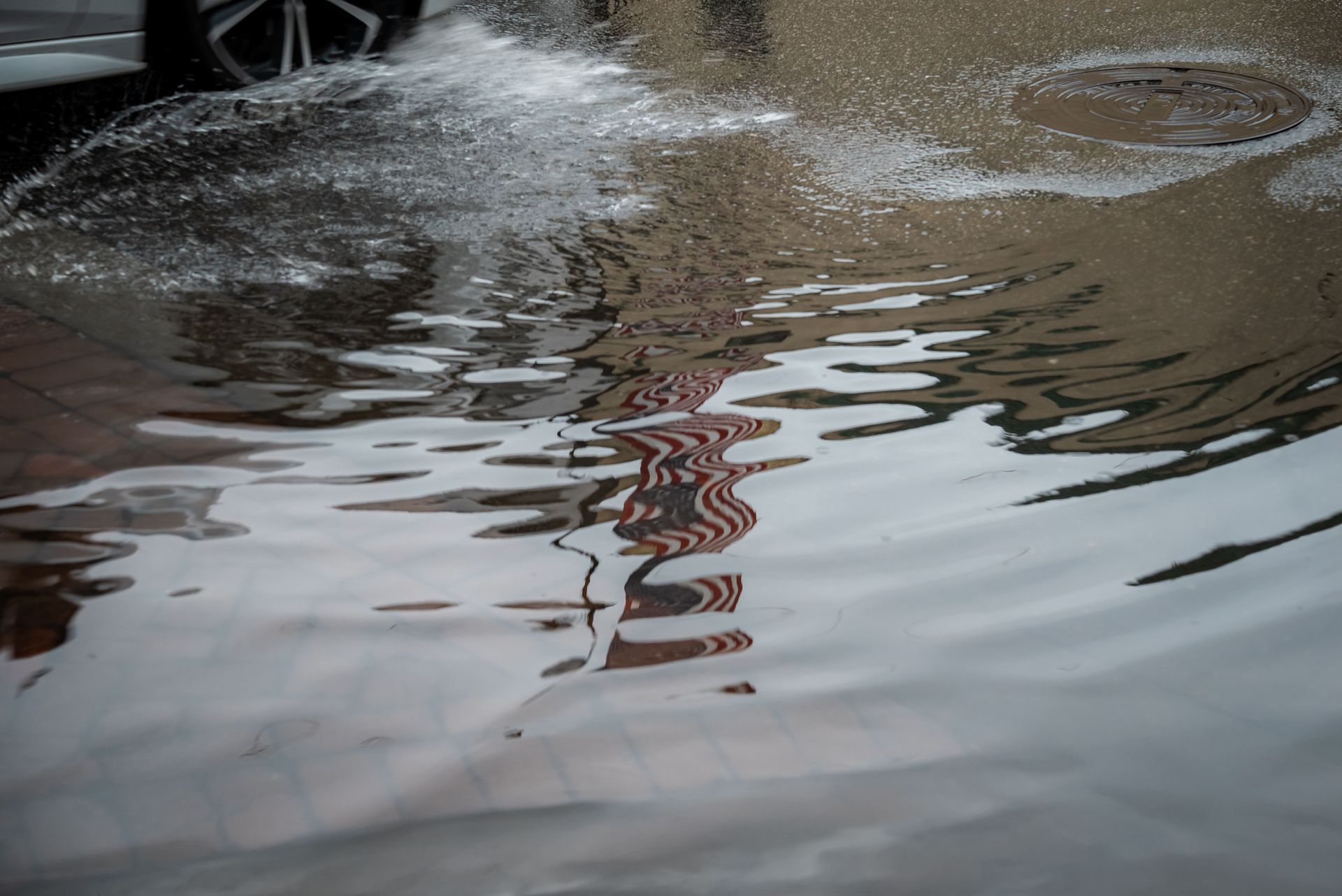
The most obvious clue is standing water that lingers long after rain has stopped, particularly in one recurring spot rather than spread evenly across the garden. If you can still see puddles two or three days after a downpour, especially near a downpipe or a manhole cover, that's a strong indicator the soakaway underneath isn't absorbing water the way it should.

Watch out too for boggy, spongy patches of lawn that never seem to dry out, unusually lush or fast-growing grass in one particular area, which often points to excess moisture and nutrients leaking from a failing system, and damp patches appearing on external walls near where a downpipe discharges. Have you noticed your patio or driveway pooling water at the edges rather than draining away cleanly? That's another classic sign worth taking seriously.

In more advanced cases, you might notice a slight give or sinking in the ground directly above the soakaway, indicating the structure has partially collapsed. This is common with older, unlined rubble-filled soakaways never built for a long service life. Left unaddressed, a collapsed soakaway can eventually affect nearby paving, fencing or shallow foundations.

3. What a Soakaway Investigation Actually Involves

When we're called out to investigate a flooding garden, the first step is establishing exactly where the water is coming from and where it's meant to be going. We trace the surface water pipework from your downpipes and drains back to the soakaway location, which often means locating a chamber that hasn't been opened in years, sometimes decades.

From there, we carry out a percolation test where appropriate, assessing how quickly water drains into the surrounding soil. This tells us whether the problem is a blocked or collapsed soakaway, or whether ground conditions have simply changed, heavy clay soil compacting over time, for instance. We'll also use CCTV drain survey equipment to check any connecting pipework for blockages, cracks or root ingress.

Because soakaways are typically a metre or more below ground, this investigation usually involves careful excavation to expose the chamber itself. We assess its condition, checking whether it's silted up, structurally intact, and correctly sized for the volume of water it handles. Every finding gets photographed and explained clearly, so you know exactly what's happening under your garden.

4. Fixing the Problem and Preventing It From Coming Back

The right fix depends entirely on what the investigation uncovers. A silted-up soakaway can sometimes be jetted out and restored to working order, which is the quickest and least disruptive option. Where the structure has genuinely failed or was undersized to begin with, replacement is usually the better long-term solution, installing a modern crate-based soakaway sized correctly for your roof and paved areas, positioned an appropriate distance from your foundations as regulations require.

In some cases, where ground conditions are poor, a soakaway alone isn't enough and we'll recommend combining it with measures such as rainwater attenuation or improved surface water routing. The goal is always the same, getting water away from your property quickly, without moving the flooding problem to another corner of the garden.

Prevention matters just as much as the fix itself. Keep gutters and downpipes clear of leaves and debris, since blocked guttering sends more water than necessary straight to ground level, and have your drainage checked periodically rather than waiting for a flood to force the issue. A well-maintained soakaway can last for years without trouble, but one that's ignored will almost always fail eventually.

If your garden has been flooding after every heavy shower, it's worth getting it looked at properly rather than living with soggy lawns and damp patches every winter. A proper soakaway investigation gets to the root of the problem instead of masking the symptoms, and once we know what's actually going on underground, we can give you honest, straightforward options for putting it right.

Drain Medic carries out soakaway investigations and drainage repairs across Dublin and Kildare, using CCTV surveys and hands-on excavation experience to diagnose flooding problems accurately the first time. If your garden won't drain after rain, call us on (01) 505 9494 or email info@drainmedic.ie and we'll get an engineer out to take a proper look.

Recent Posts

By No author September 3, 2026
Got a blockage that won't budge? Discover how Drain Medic's high-pressure water jetting clears stubborn drains fast, without digging up your property.
By No author September 2, 2026
Rats in your drains? Discover exactly how they get in, the warning signs to watch for, and how Drain Medic's rodent investigations stop them for good.
By No author September 1, 2026
Rats getting into your drains? Discover how a professional rat flap installation from Drain Medic stops rodents for good, fast, tidy, and built to last.
By No author August 31, 2026
Wondering what's causing that mystery drain smell? Learn how Drain Medic's smoke testing pinpoints hidden leaks fast, without digging up your whole garden.
By No author August 28, 2026
Not sure if your blocked drain is a real emergency? Learn the warning signs to spot and how Drain Medic responds fast across Dublin and Kildare, 24/7.
By No author August 27, 2026
Sink blocked again? Try these safe DIY fixes first, learn what causes it, and find out when it is time to call Drain Medic for a fast, lasting solution.
By No author August 26, 2026
Wondering what a CCTV drain survey actually reveals? See how Drain Medic uses camera inspections to spot blockages, cracks and root damage in Dublin drains.
By No author August 25, 2026
Kildare drainage problems escalate fast. Discover why local response times matter and how Drain Medic delivers fast, reliable drain cleaning and unblocking.
Drainage engineer inspecting a blocked drain access chamber in Dublin
August 24, 2026
Learn the common causes of blocked drains in Dublin, the warning signs to watch for, and how Drain Medic clears blockages fast with CCTV surveys and jetting.
Drainage engineer preparing no-dig drain relining equipment beside an access chamber
August 23, 2026
Learn when drain relining can repair damaged pipes with less excavation, why CCTV surveys matter and when traditional drain excavation is still needed.
Show More