


Restaurant Drainage Problems: Grease, Odours and How to Prevent Them

No author • October 7, 2026

Share this article

Walk into any busy Dublin restaurant kitchen at the end of a Friday night service and you'll see exactly why drains there have such a hard life. Fat, oil, food scraps and starchy water pour down the same pipes, hour after hour, shift after shift. It's no wonder restaurant drainage runs into trouble far more often than a typical domestic system.

When those drains start to struggle, the first sign usually isn't a flood, it's a smell. A sour, greasy odour drifting into the dining room at the worst possible moment can do real damage to a restaurant's reputation. In this guide, we'll look at why grease and odours build up in commercial kitchen drains, the early warning signs to watch for, and the practical steps that keep your drainage running cleanly, including when it's time to bring in a professional.

1. Why Restaurant Drains Are So Prone to Grease and Blockages

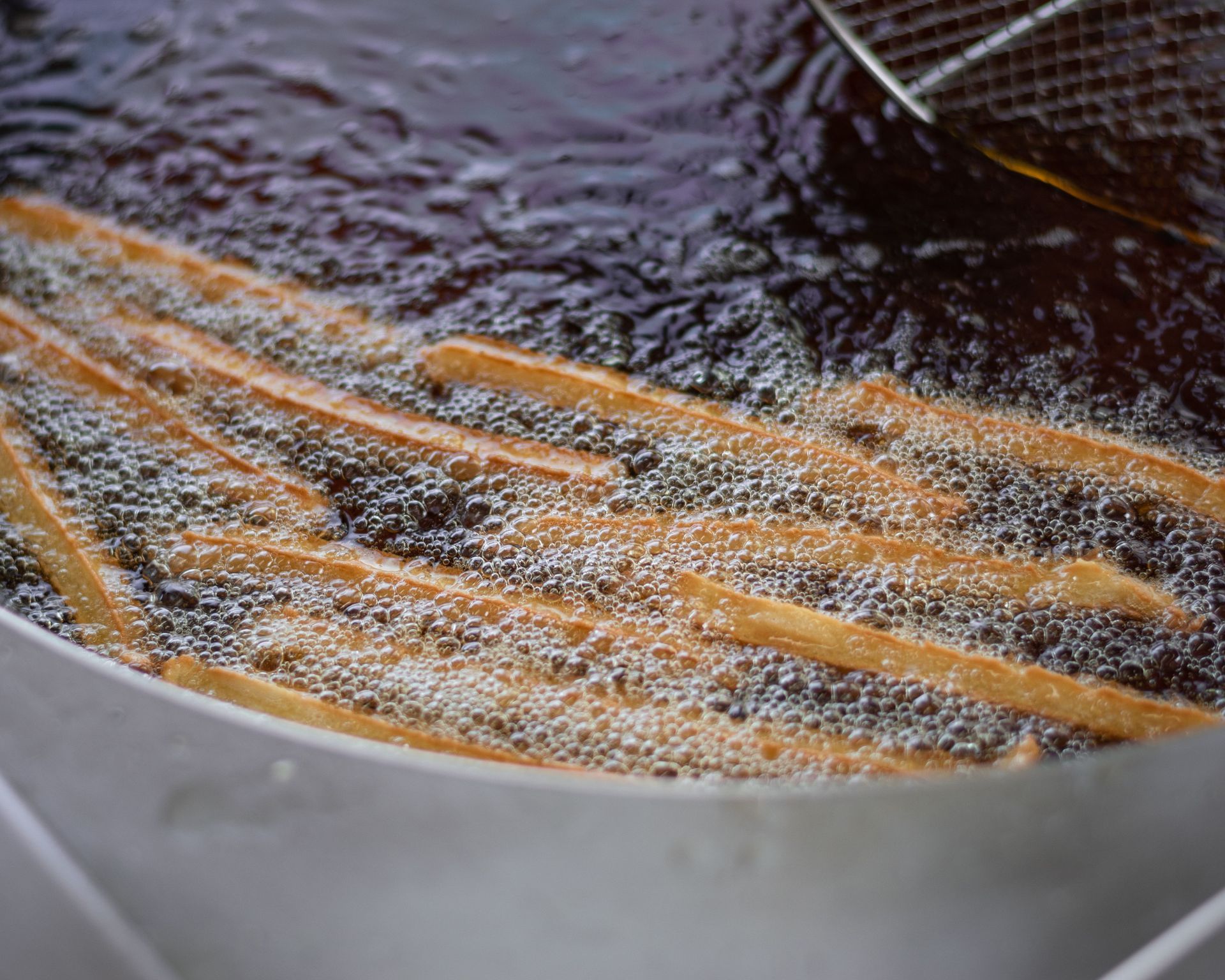
Every commercial kitchen produces fats, oils and grease, known in the trade as FOG, as a natural by-product of cooking. The problem isn't that FOG goes down the drain, it's what happens next. Hot grease flows easily as a liquid, but as it travels further from the sink and cools in the pipework, it solidifies against the inner walls of the pipe, narrowing the space water can flow through.

Over weeks and months, that narrowing builds into a near-total blockage. Add food particles, coffee grounds and starchy wash-up water into the mix, and you've got a sticky, layered build-up that's far tougher to shift than the clear water a typical household drain deals with. Restaurant drains also carry a much higher volume of waste water in a short window of time, concentrated around lunch and dinner service, putting extra pressure on pipework that may already be partially restricted.

A grease trap or interceptor is designed to catch most of this before it reaches the main drainage system, but even a well-maintained trap only slows the problem down. Dublin restaurants that skip regular grease trap emptying, or that have pipework running longer distances to the main sewer connection, tend to see blockages and odour complaints far sooner than those on a consistent maintenance schedule.

2. The Warning Signs Worth Taking Seriously

Have you noticed the sinks draining more slowly than they used to, even right after a clean? That sluggishness is usually the first real clue that grease is narrowing your pipework. It often gets written off as a one-off, but a slow drain rarely fixes itself and almost always points to a build-up further down the line.

Odour is the next sign, and it's the one that affects customers directly. A musty or sour smell near a floor gully, under a sink, or drifting from an external manhole usually means waste water is sitting somewhere it shouldn't, either pooling against a partial blockage or escaping through a damaged section of pipe. Gurgling sounds from drains or toilets, water backing up in a neighbouring sink when another one is used, and visible grease residue around grates or gullies are all signs that the system is under strain.

None of these symptoms mean the drain has failed completely, but each one is a signal the problem is building. Catching it at this stage, rather than waiting for a full blockage mid-service, is what separates a quick fix from a shut kitchen and a queue of frustrated customers.

3. Prevention Steps Every Kitchen Can Put in Place

The good news is that most restaurant drainage problems are preventable with a few consistent habits. Scraping plates and pans into a bin before washing, rather than relying on the sink to catch food waste, removes a huge share of the solid material that would otherwise travel into the pipework. A simple strainer basket over each drain outlet catches the rest.

Grease should never go down the sink, full stop. Pouring used cooking oil into a dedicated container for collection, rather than tipping it into a sink even when it's still warm and flowing freely, is one of the single most effective changes a kitchen can make. Hot water flushes and enzyme-based drain treatments between services can help keep pipe walls cleaner for longer, though they're a maintenance aid rather than a substitute for proper grease trap servicing.

Scheduling grease trap cleaning on a regular basis, rather than waiting until it's visibly full, keeps the heaviest load off your drains entirely. Pairing that with a periodic CCTV drain survey gives you an honest picture of what's actually happening inside the pipework, so you can catch a developing blockage weeks before it becomes an emergency call-out.

4. When It's Time to Call in the Professionals

Some problems are beyond what in-house prevention can solve, and that's completely normal, particularly in older buildings or kitchens that have had several fit-outs over the years. If a sink is draining slowly despite regular cleaning, if the smell keeps returning within days of being tackled, or if you're getting repeated gurgling or backing-up across multiple fixtures, it's time to bring in a drainage specialist rather than keep reaching for another bottle of treatment.

A professional visit typically starts with a CCTV drain survey to see exactly where the blockage or damage sits, followed by high-pressure water jetting to clear built-up grease and debris without needing to dig anything up. Where a trap has been neglected for a long time, or where pipework has deteriorated, a specialist can also advise on relining or repair options that fix the underlying issue rather than just clearing the symptom.

Acting early tends to be far cheaper than acting late. A scheduled grease trap service and the odd preventative jetting visit cost a fraction of an emergency call-out, and they protect you from the kind of health and safety issue that no restaurant wants a food safety officer to find.

Keeping Your Kitchen Running Smoothly

Grease and odour problems in restaurant drainage are almost always the result of the same handful of causes building up unnoticed over time. With the right daily habits in the kitchen, a proper grease trap maintenance schedule, and the occasional professional check-up, most Dublin restaurants can avoid the disruption of an emergency blockage altogether.

If your kitchen drains are running slow, smelling off, or you simply want the peace of mind of a proper inspection before it becomes a problem, Drain Medic is here to help. Call us on (01) 505 9494 or email info@drainmedic.ie to book a grease trap service, CCTV survey or high-pressure jetting visit, and keep your kitchen running the way it should.

Recent Posts

By No author • October 6, 2026
Not sure who's responsible for drain problems in a rental? Learn landlord duties, common tenant complaints, and how to respond fast and avoid disputes.

By No author • October 5, 2026
Noticing slow drains, odours or a soggy garden patch? Learn the key septic tank warning signs to watch for, and when to call Drain Medic for help today.

By No author • October 4, 2026
Wondering what happens during a professional drain unblocking call-out? See every step Drain Medic takes, from diagnosis to a fully cleared, verified drain.
By No author • October 3, 2026
Wondering what drain relining costs in Dublin? See the key factors that affect the price, from pipe diameter to access, and how to get an accurate quote.

By No author • October 2, 2026
Searching for a reliable drain cleaning company near you in Dublin? Learn the key questions to ask, red flags to avoid, and what sets true experts apart.

By No author • October 1, 2026
Bringing a new development to completion in Dublin? Learn why new-build drains fail early, the causes, and why a CCTV survey belongs on every snagging list.
By No author • September 30, 2026
Wondering if a preventative drain maintenance plan is worth it? See what's included, the real cost of skipping one, and how Drain Medic can help you decide.
By No author • September 29, 2026
Spotted water backing up around a manhole cover? Learn the warning signs, what to do before help arrives, and how Drain Medic clears blockages fast in Dublin.

By No author • September 28, 2026
Spotting tree root damage in your drains early can save you a costly repair. Learn the warning signs and how Drain Medic finds and fixes root intrusion fast.
By No author • September 15, 2026
A slow-draining sink or bath is rarely just slow. Discover what causes it, the real cost of ignoring it, and when to call Drain Medic for a lasting fix.
Show More