High-Pressure Water Jetting: The Fastest Way to Clear a Stubborn Blockage
Some blockages laugh at a plunger. You pour in a bottle of drain cleaner, poke around with a bent wire hanger, and twenty minutes later the water's still sitting there, refusing to go anywhere. That's usually the moment people start searching for a proper fix, and more often than not, that fix is high-pressure water jetting.
It's the tool professional drainage engineers reach for when a blockage is too stubborn, too deep, or too widespread for anything else to shift it. In this article we'll explain exactly what jetting is, why it clears drains faster and more thoroughly than other methods, what happens when Drain Medic turns up with a jetting unit, and the rare situations where jetting alone isn't the whole answer.
1. What Is High-Pressure Water Jetting?
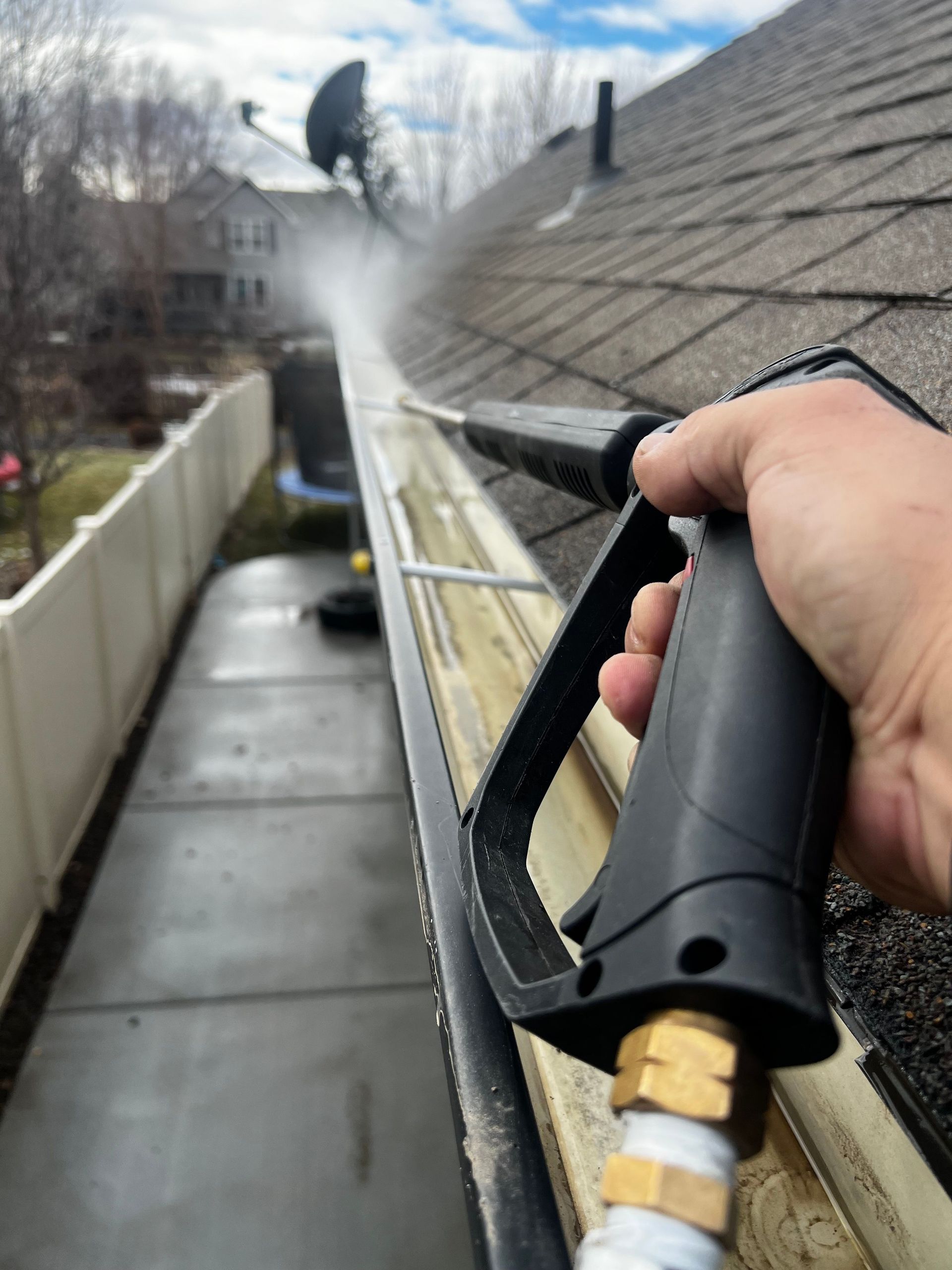
High-pressure water jetting uses a flexible hose fitted with a specialised nozzle to fire a powerful, controlled jet of water through your pipework. The hose is fed into the drain through an access point, usually a manhole or an inspection chamber, and the water pressure does the work that scrubbing brushes and chemicals simply can't manage.
The nozzle itself is the clever part. Forward-facing jets blast directly through the blockage, while rear-facing jets pull the hose along the pipe and scour the walls clean as they go. Depending on what we're dealing with, our engineers can adjust the pressure and nozzle type to suit anything from a small domestic waste pipe to a large commercial sewer line.
What actually gets cleared? Grease build-up, compacted silt, tree root intrusion, wet wipes, sanitary products, scale, and general debris that's welded itself to the inside of the pipe over months or years. It's genuinely one of the most versatile tools in a drainage engineer's kit, and it's why jetting comes up again and again as the go-to solution across the properties we work on in Dublin and Kildare.
2. Why Water Jetting Beats Traditional Methods
Rodding, the classic drain-clearing method, pushes a flexible rod through the pipe to break up or dislodge a blockage. It works fine for simple, single-point clogs, but it has a real limitation: it punches a hole through the problem rather than clearing the whole pipe. The blockage often re-forms within weeks because the surrounding grease, scale, or debris was never actually removed.
Jetting is different. Because the water jet cleans the full circumference of the pipe, not just a narrow channel through the blockage, it leaves the drain properly clear rather than just temporarily passable. That means fewer repeat call-outs and a longer stretch before the same problem crops up again.
Have you ever had a drain unblocked, only for it to clog again a month later? That's usually a sign the original fix only dealt with the symptom, not the full extent of the build-up. Jetting tackles the whole pipe interior, which is why it's often the more cost-effective option in the long run even though it can look like the bigger job upfront.
It's also faster for larger or more established blockages. Chemical treatments can take hours to work, if they work at all, and they're genuinely unsuitable for older pipework, septic systems, or anything beyond a very minor clog. A jetting unit can clear the same blockage in a fraction of the time, with none of the harsh chemicals going into your drainage system or the wider environment.
3. What to Expect During a Jetting Call-Out
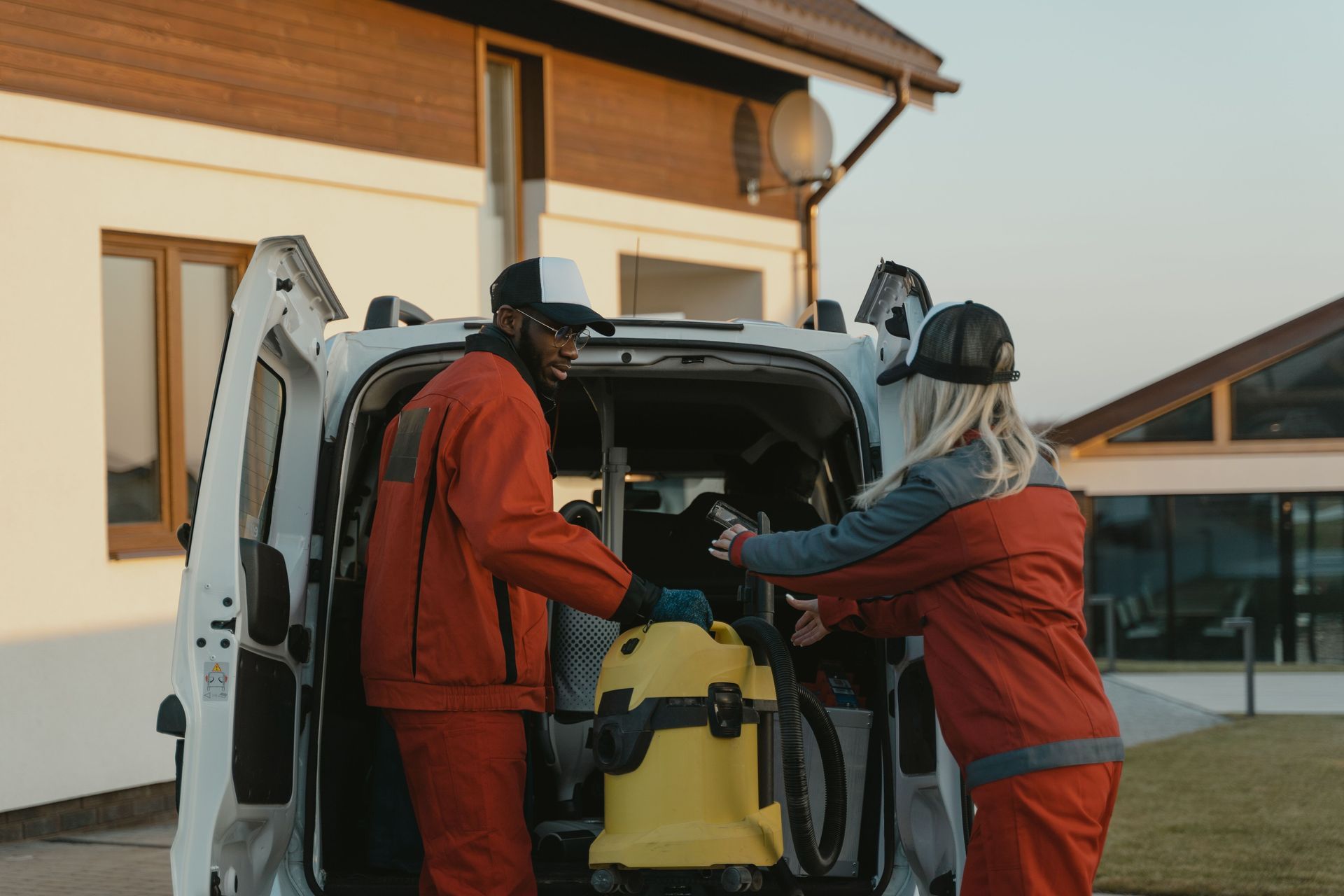
When one of our engineers arrives, the first step is usually a quick visual check of the affected area to understand where the blockage sits and how the pipework runs. On more complex jobs, we'll often pair jetting with a CCTV drain survey first, so we can see exactly what we're dealing with before the hose goes in. That way we're targeting the actual problem rather than guessing.
The jetting hose is then fed into the drain through the nearest suitable access point. Water is pumped through at high pressure, working the blockage loose and flushing the debris down through the system to a point where it can safely disperse. Most domestic jobs are finished within an hour or two, though larger commercial systems or particularly severe blockages can take longer.
Once the drain is clear, we'll usually run a final check to confirm the water is flowing freely and there's nothing left sitting further down the line. If a survey wasn't done beforehand, we might recommend one afterwards, particularly if the blockage was severe, to rule out any underlying damage that could cause problems again down the line.
4. When Water Jetting Might Not Be Enough
Jetting is brilliant at clearing debris, but it isn't a repair tool. If a pipe is cracked, collapsed, badly displaced, or has significant root damage, jetting will clear the immediate blockage but won't fix the structural issue underneath. In those cases, we'll talk you through the next step, which might be drain relining, a no-dig repair, or in more serious cases, excavation.
This is exactly why a CCTV drain survey is so useful alongside jetting. It lets us confirm whether the pipe itself is sound once the blockage is cleared, rather than leaving you to find out the hard way when the same symptoms return a few weeks later. Honest advice on what's actually needed, rather than upselling work that isn't necessary, is something we take seriously at Drain Medic.
Persistent tree root intrusion is another case worth mentioning. Jetting will clear roots that have worked their way into a pipe, but if the roots keep coming back, that usually points to a joint or crack that needs proper repair rather than repeated clearing. We'll always flag this if we see it, so you're not paying for the same job twice.
Conclusion
A stubborn blockage doesn't have to mean a dug-up garden or weeks of hassle. High-pressure water jetting clears the vast majority of blocked drains quickly, thoroughly, and without unnecessary disruption, whether it's a domestic sink line, a shared soil stack, or a commercial sewer serving a busy premises. It's faster than rodding, more thorough than chemical treatments, and gentler on your pipework and the environment than either.
If you've got a drain that's slow, backing up, or simply won't clear no matter what you try, don't let it turn into an emergency. Call Drain Medic on (01) 505 9494 or email info@drainmedic.ie and we'll get an engineer out to assess it, jet it clear, and make sure it stays that way.
Recent Posts