
Grease Trap Maintenance for Dublin Restaurants: What the Law Requires
If you run a restaurant, café or takeaway anywhere in Dublin, your grease trap is quietly doing one of the most important jobs in your kitchen. It stops fats, oils and grease from your fryers, dishwashers and prep sinks from clogging your drains and reaching the public sewer. Ignore it for long enough and you're not just risking a smelly blockage, you're risking a breach of your legal obligations as a food business.
A lot of restaurant owners assume grease trap cleaning is just good housekeeping. It is, but it's also a legal requirement tied to your trade effluent discharge licence and local water pollution regulations. In this guide, we'll explain what the law actually expects from Dublin restaurants, how often your grease trap should be serviced, and what can happen if it's left too long between cleans.
1. Why Grease Traps Matter for Dublin Restaurants
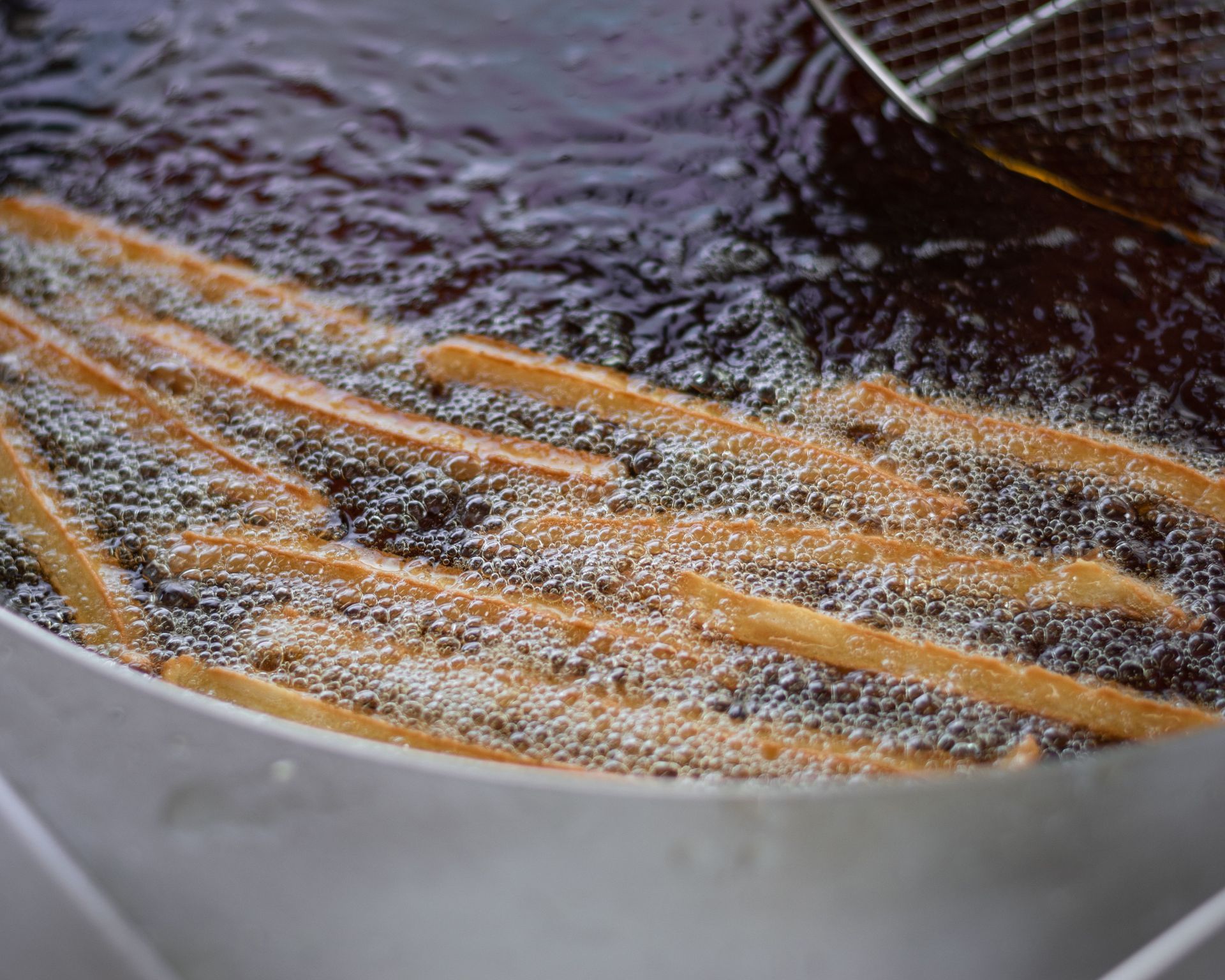
Every commercial kitchen produces FOG, fats, oils and grease, as a normal by-product of cooking. On their own, these substances seem harmless enough. But once they cool and travel through your pipework, they solidify and stick to the inside of your drains, narrowing them a little more with every service.
A grease trap sits between your kitchen drainage and the main sewer connection, giving that FOG somewhere to separate out and collect before it can travel any further. Without one working properly, grease builds up fast, and it's usually the restaurant's own pipework that blocks first, long before the problem becomes anyone else's.
Have you ever noticed a slow-draining sink in the kitchen after a busy service, or a faint sour smell around the prep area? That's often the first sign a grease trap is reaching capacity and needs attention.
2. What Irish Law Actually Requires
Commercial kitchens in Dublin that discharge trade effluent, wastewater containing FOG, food waste or cleaning chemicals, into the public sewer generally need a trade effluent discharge licence from Irish Water. That licence typically sets conditions around how your effluent is managed, and having a properly sized, well-maintained grease trap is central to meeting those conditions.
Local authorities also have powers under water pollution legislation to inspect commercial premises and take action against businesses whose discharges are causing blockages or pollution in the public sewer network. A neglected grease trap that allows FOG to escape into the mains isn't just a maintenance failure, it's the kind of thing that can trigger a formal complaint or inspection.
Insurance is worth thinking about here too. If a restaurant's neglected grease trap is found to be the cause of a blockage or flooding, whether on your own property or a neighbouring one, that can complicate a claim or even invalidate cover, depending on your policy's terms.
3. How Often Should You Clean and Empty Your Grease Trap?
There's no single answer that fits every kitchen, it depends on the size of your grease trap, how many covers you're doing and what's on the menu. A busy fried chicken takeaway will fill a trap far faster than a quiet café doing mostly cold food and coffee.
As a general rule of thumb, most Dublin restaurants need their grease trap emptied and cleaned somewhere between every four and twelve weeks. Some high-volume kitchens need it far more often. The safest approach is to have a professional assess your specific setup and recommend a schedule, rather than guessing and hoping it holds.
It's also worth keeping simple records of when your grease trap was last serviced. If Irish Water or your local authority ever asks for evidence of compliance, being able to show a consistent maintenance history makes that conversation a lot easier.
Don't forget the trap itself needs the right maintenance too, not just emptying. Over time, seals can wear, baffles can shift out of position and the unit's overall capacity can drop if it isn't inspected properly. A full service checks the mechanical condition of the trap as well as clearing out the collected waste, so it keeps performing the way it's supposed to between visits.
4. What Happens If You Ignore It
A neglected grease trap rarely fails quietly. The first sign is usually a slow drain or a bad smell, but left unchecked, that FOG build-up will eventually cause a full blockage, often at the worst possible moment, in the middle of a busy Friday night service.
Beyond the immediate disruption of a blocked kitchen drain, there's the risk of a formal notice from your local authority or Irish Water if the problem is traced back to your premises. Repeated non-compliance can mean closer scrutiny of your licence conditions going forward, which is the last thing any busy kitchen needs.
There's a knock-on cost too. Emergency call-outs to clear a fully blocked grease trap almost always cost more than a scheduled service would have, and they tend to happen at the worst possible time, right in the middle of a Saturday night rush rather than a quiet Tuesday morning. Planning ahead with a set maintenance schedule turns an unpredictable emergency expense into a routine, manageable one.
The good news is that this is one of the easiest problems in your entire kitchen to prevent. A regular grease trap maintenance schedule, carried out by an experienced team, keeps your drains flowing, protects your licence and takes one more thing off your plate.
Conclusion
Grease trap maintenance isn't just about avoiding a nasty smell or an awkward blockage during service, it's a genuine legal obligation for commercial kitchens across Dublin. Understanding what's expected of you, and putting a reliable cleaning schedule in place, protects your business from compliance issues, insurance headaches and costly emergency call-outs.
At Drain Medic, we help Dublin restaurants, cafés and commercial kitchens stay compliant with regular grease trap cleaning and maintenance, tailored to how busy your kitchen actually is. If your grease trap is overdue, or you're just not sure how often it should be serviced, give us a call on (01) 505 9494 or email info@drainmedic.ie and we'll get you sorted.