

Drain Cleaning for New Builds: What Developers in Dublin Need to Know
New builds are supposed to be the easy jobs. Fresh pipework, modern materials, nothing for a drainage engineer to worry about, or so the theory goes. In reality, some of the worst blockages, mis-connections and structural faults we come across in Dublin start life on sites that were only finished months earlier. Construction debris, rushed snagging and gaps between trades do far more damage to a drainage system than age ever does.
If you're a developer, site manager or project engineer bringing a residential or commercial scheme to completion, getting the drainage right before handover protects your budget and your reputation. In this guide, we'll look at why new developments run into drainage trouble so soon after completion, the problems we see most often on Dublin sites, and why a proper CCTV survey belongs on every snagging list before keys are handed over.
1. New Builds Have Their Own Drainage Risks
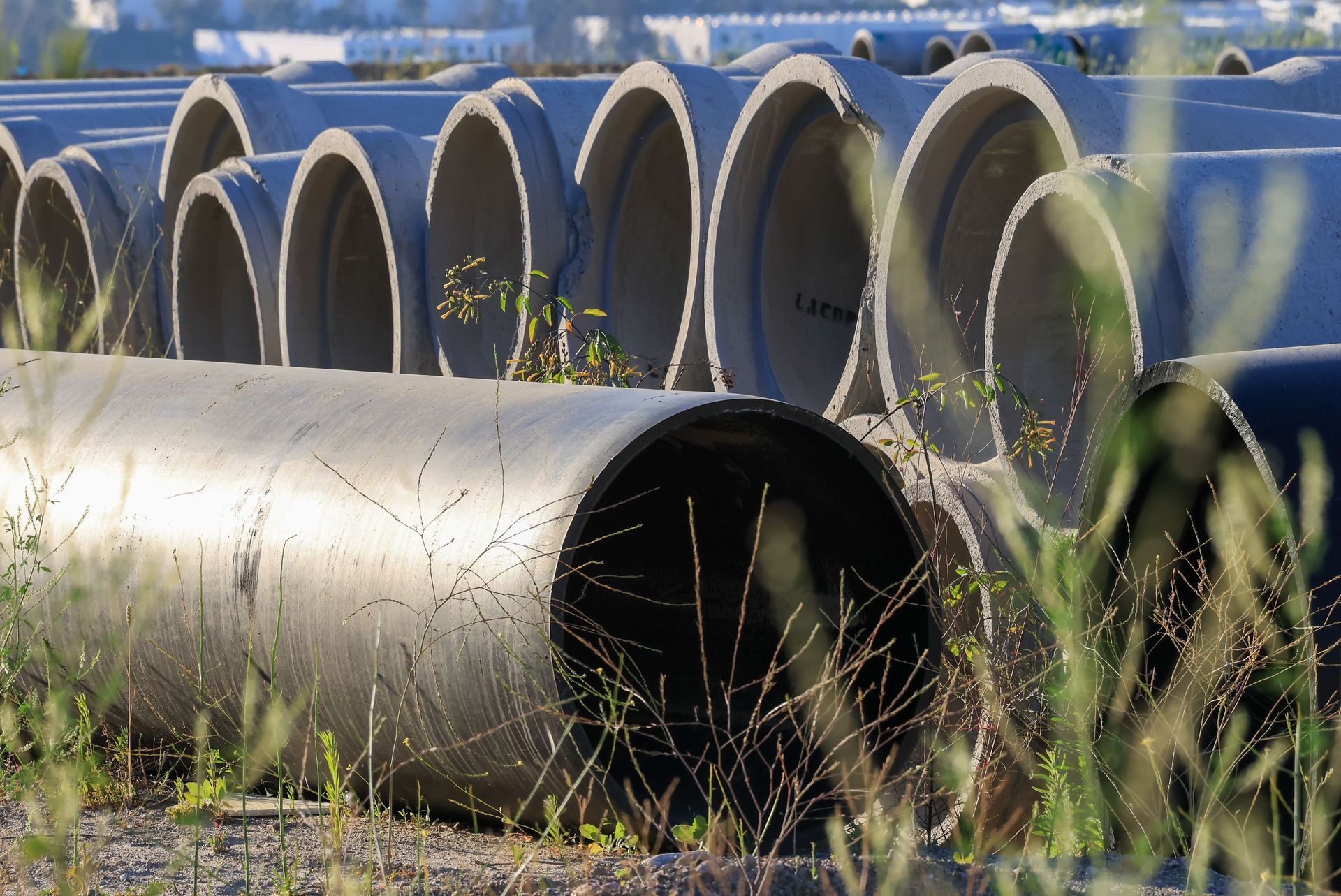
It's tempting to assume that a drainage system is only as risky as it is old, but new pipework carries its own set of problems. During groundworks, drain runs are often the first thing installed and the last thing checked, which means they sit open on site for weeks while other trades work around them. Cement, plasterboard offcuts, insulation and general building waste find their way in far more often than most developers expect.
Multiple contractors working on the same drainage system also raises the risk of error. A groundworks crew, a plumber and a landscaping team may all interact with the same runs at different stages of the build, and without a clear handover between them, small mistakes get buried under concrete and plasterboard before anyone notices. By the time a new resident or tenant reports a blockage, the original cause is already hidden.
2. The Most Common Drainage Problems We Find on New Sites
Ever wondered why a drain that's barely a year old can block solid without warning? Nine times out of ten, it comes down to what went in during the build rather than anything that's happened since. Hardened concrete slurry poured down an open gully, bricks and timber offcuts pushed into a manhole to keep it tidy, or a grab lorry reversing over a shallow pipe run are all things we see regularly across Dublin developments.
Incorrect falls are another recurring issue. If a drain run doesn't have enough gradient, waste water moves too slowly and solids settle instead of flushing through, leading to recurring blockages almost from day one. We also find foul and surface water lines mis-connected more often than you'd think, which can cause flooding in heavy rain and, in some cases, breach the connection conditions set by Irish Water.
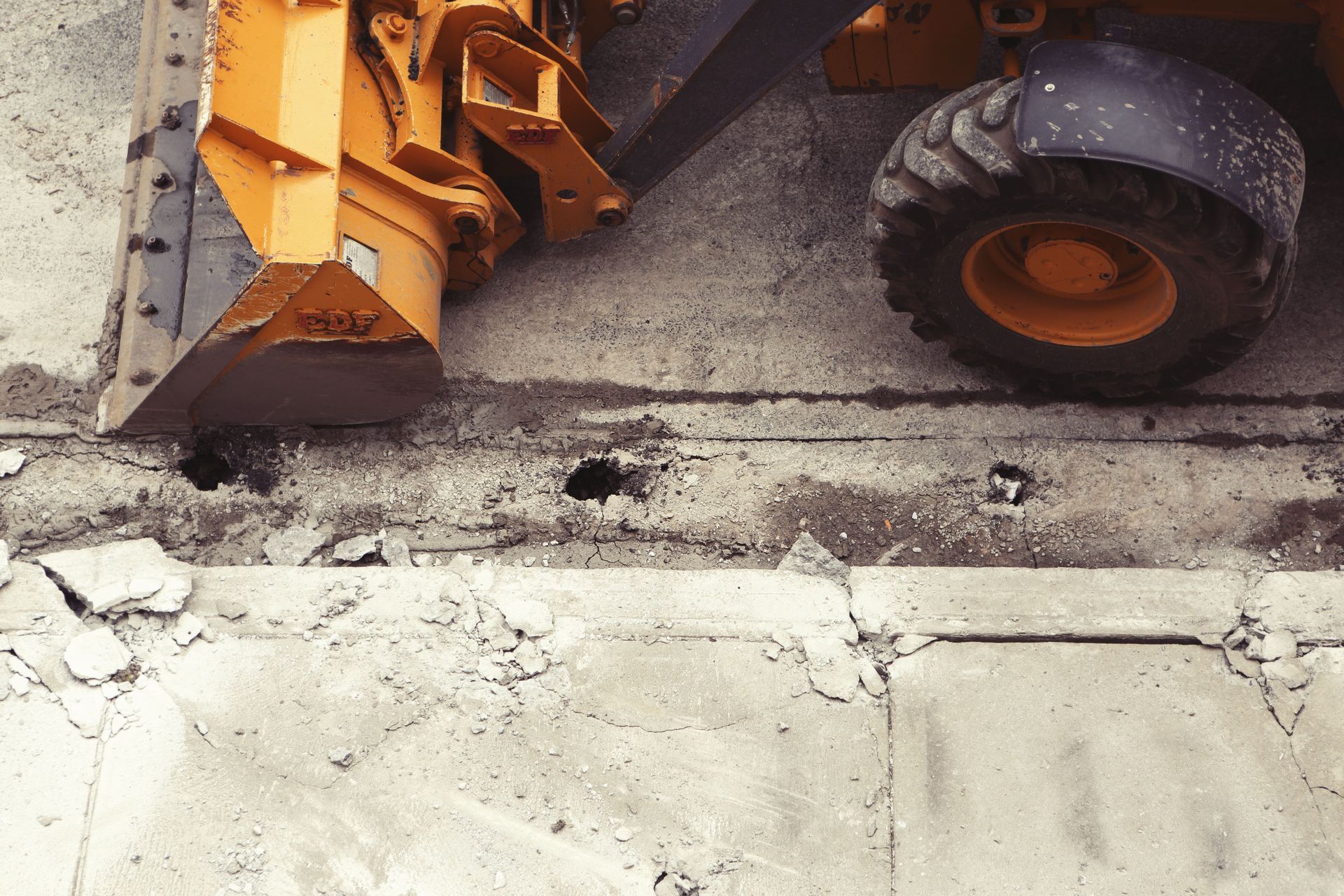
Pipework damage is the final piece of the puzzle. Heavy plant and delivery vehicles crossing a site before the drainage is properly protected can crush or crack pipes that look perfectly fine from the surface. None of these faults tend to show up immediately, which is exactly why they end up as expensive call-backs once residents or tenants have moved in.
3. Why a CCTV Drain Survey Belongs on Every Snagging List
A CCTV drain survey is the only reliable way to see inside a system before it's handed over, and it should sit on every pre-completion snagging list alongside the usual checks on doors, windows and finishes. Our engineers run a camera through the full length of each drain run, recording its condition, confirming the falls are correct and flagging any debris, damage or mis-connections before they become someone else's problem.
Catching these issues at this stage is dramatically cheaper and less disruptive than discovering them after sign-off. A blockage found on a CCTV survey can usually be cleared with high-pressure water jetting in an afternoon, while the same fault discovered six months later, under a finished driveway or a new tenant's kitchen floor, can mean excavation, compensation and a seriously unhappy client.
4. Working With Drain Medic From Groundworks to Handover
The developments that give us the fewest problems down the line are the ones where we're brought in early, not called out in a panic after completion. We work with property developers and site managers across Dublin to carry out CCTV surveys at key stages of the build, clear any blockages found before they're buried, and sign off drainage as genuinely fit for purpose rather than just out of sight.
For developers managing multiple units or ongoing phases, we also offer commercial drainage solutions and preventative maintenance plans that carry on long after handover, so management companies and landlords aren't left guessing when the first issue appears. It's a far more cost-effective approach than treating drainage as an afterthought once the show homes are open.
Get Your New Development Checked Before Handover
New builds aren't immune to drainage problems, they just hide them a little longer. A proper CCTV survey, carried out before snagging is signed off, is one of the simplest ways to protect your development, your budget and your reputation with the people who'll be living or working there. It's a small step that can prevent a very large headache later on.
If you're managing a development in Dublin and want your drainage checked, cleared or signed off before handover, Drain Medic is ready to help. Call us on (01) 505 9494 or email info@drainmedic.ie to arrange a CCTV survey or discuss an ongoing maintenance plan for your site.