

How Heavy Rain Affects Dublin's Drainage Systems (And How to Prepare)
Dublin doesn't do drizzle. When the heavens open here, they tend to open properly, and most of us have stood at a window watching water sheet off the road wondering where it all actually goes. The honest answer is: into a drainage network that was never built for the volumes we're now seeing, and that's precisely why so many Dublin homes and businesses end up dealing with backed-up gullies, flooded gardens and overwhelmed manholes every time a serious downpour rolls through.
Understanding how heavy rain affects your drains isn't just useful trivia, it's the difference between a dry hallway and a very expensive clean-up. In this article, we'll walk through why Dublin's drainage system struggles under pressure, the warning signs that your own drains are heading for trouble, and the practical steps you can take now to prepare before the next storm rolls in.
1. Why Heavy Rain Overwhelms Dublin's Drainage Systems
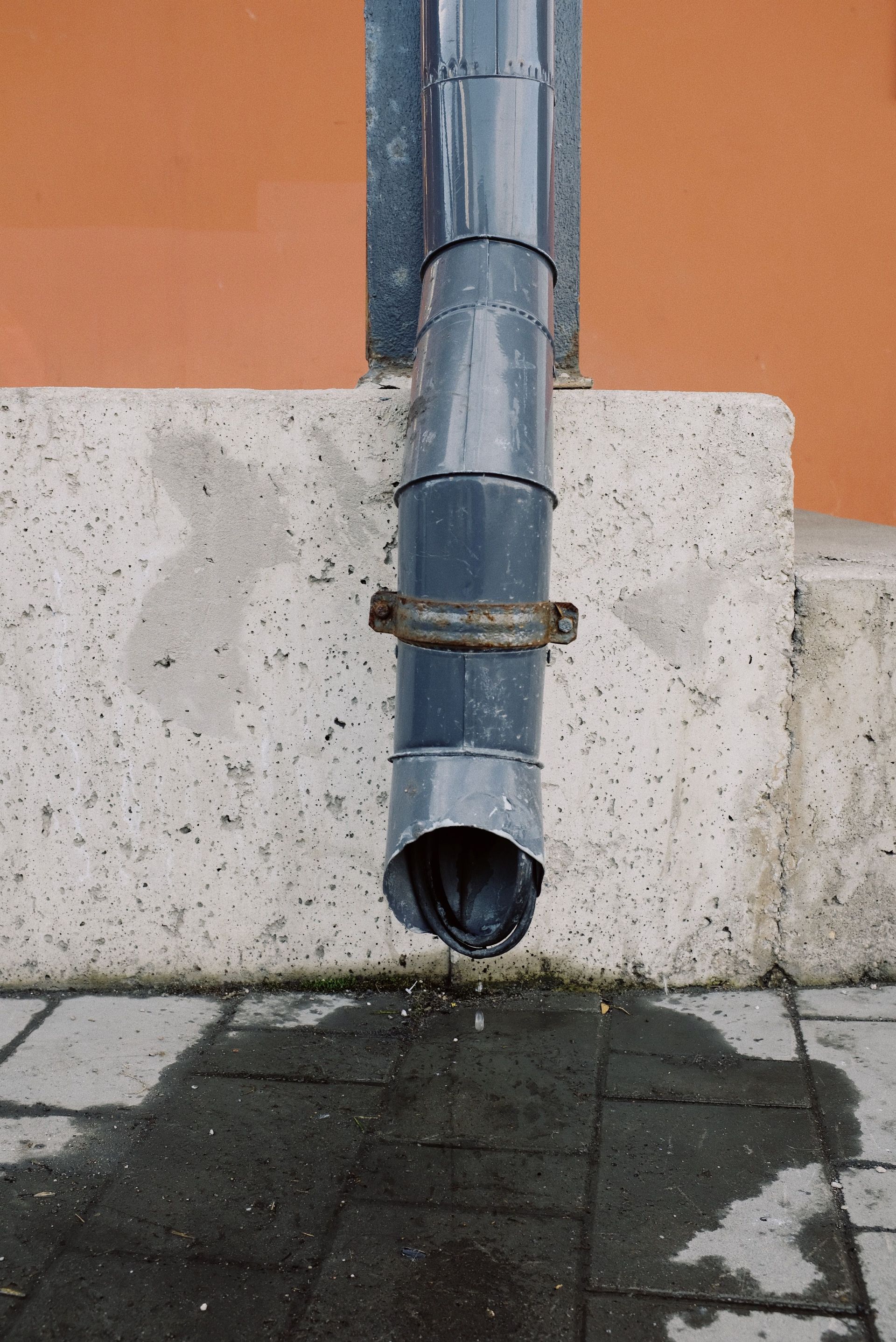
Most residential and commercial drains in Dublin were designed decades ago, long before the volume and intensity of rainfall we now regularly experience. Combine that with increasingly frequent "rain bomb" events, and you've got pipework that simply cannot shift water fast enough during a sustained downpour. Surface water races off roofs, driveways and paved gardens far quicker than it used to, since so much natural ground that once absorbed rainfall has been built over.
Add to that years of accumulated silt, leaves, grease and general debris sitting in pipes, and you end up with a system running at reduced capacity even before the rain starts falling. A drain that's already partially blocked from everyday use has far less headroom to cope when it suddenly needs to carry several times its normal flow. That's when water starts finding the path of least resistance, which is usually straight back up through your gullies, manholes or even internal plumbing.
Have you noticed your own drains struggling more in recent years than they used to? You're not imagining it. Between ageing infrastructure, more frequent intense weather and gradually building blockages, it's a genuine combination of factors, not just bad luck.
2. The Warning Signs to Watch For During and After a Downpour
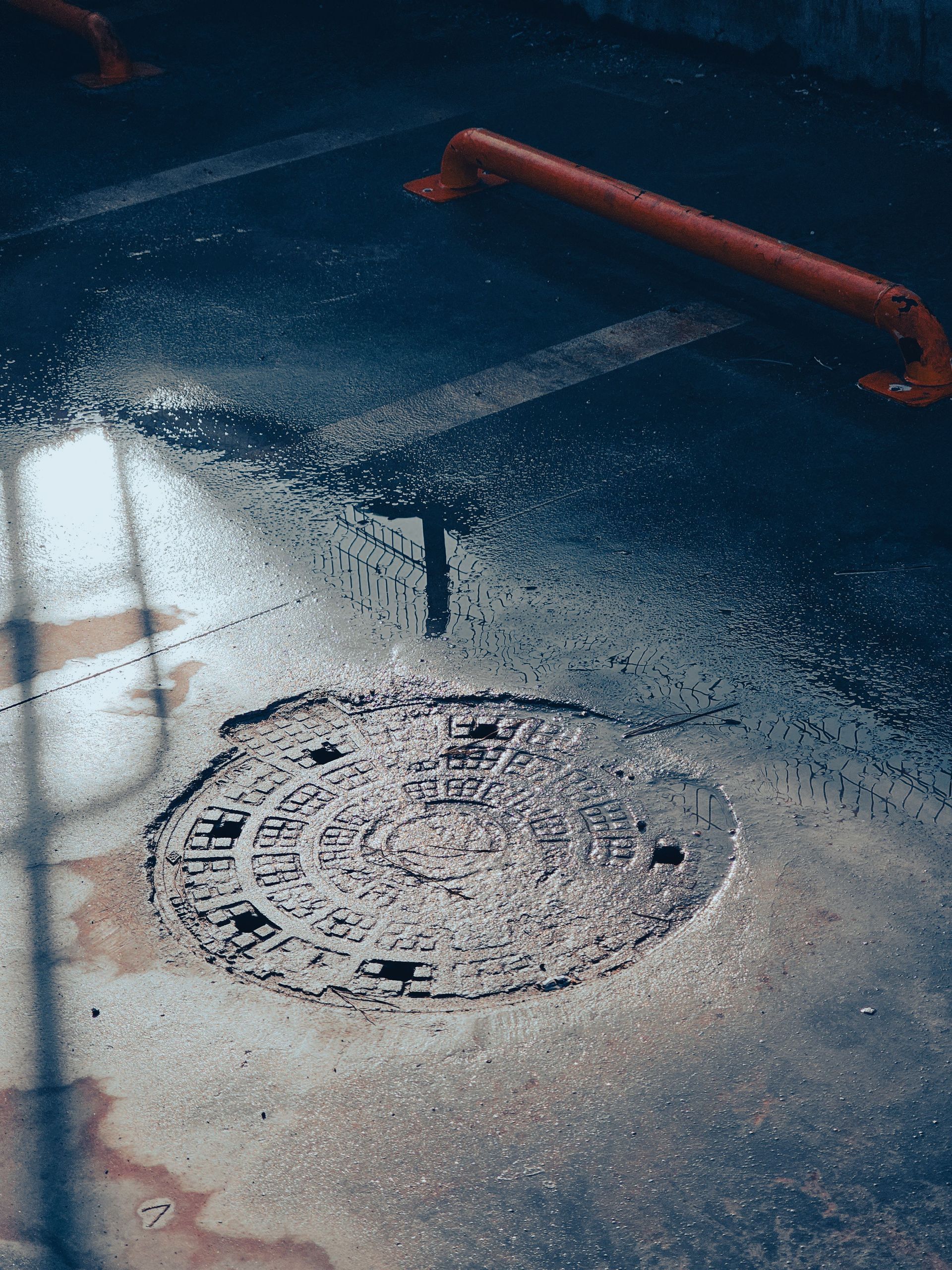
Your drains usually give you fair warning before a full-blown flood arrives. Gurgling sounds from sinks or toilets when it's raining heavily are one of the clearest early signs that water is struggling to flow away normally. Slow-draining showers or baths that suddenly get worse the moment rain starts is another, as is water pooling around manhole covers or gullies that would normally clear within minutes.
Outside, keep an eye on patches of your garden or driveway that stay waterlogged long after the rain has stopped. That can point to a soakaway that's failing or a drain run that's partially blocked further along the line. Unpleasant odours rising from drains during or after rain are also worth taking seriously, since they often mean water is backing up and sitting somewhere it shouldn't.
If you spot any of these signs more than once, it's rarely a coincidence. A drain that struggles in heavy rain once will almost always struggle again, usually at a worse moment, so it's worth getting it looked at before it becomes a genuine emergency.
3. Practical Steps to Prepare Your Drains Before the Next Storm
The good news is that most heavy rain drainage problems are preventable with a bit of regular upkeep. Start by clearing gutters, gullies and any visible drain grates of leaves, moss and general debris, particularly heading into autumn and winter when Dublin sees its heaviest rainfall. A blocked gutter sends water straight down the side of your building rather than into the drainage system where it belongs.
Booking in a CCTV drain survey before the wet season hits is one of the smartest preventative steps a homeowner or business can take. It shows exactly what's happening inside your pipework, whether that's a partial blockage, root intrusion or a damaged section, long before it turns into a flooded kitchen or car park. Pairing that with a high-pressure water jetting clean restores your drains to full capacity, giving them the best possible chance of coping when the rain really comes down.
If you've got a soakaway that handles rainwater drainage in your garden, have it checked too. Soakaways silt up over time just like any other part of the system, and a failing one is one of the most common reasons gardens flood repeatedly after rain while neighbouring properties stay dry.
4. When It's Time to Call in the Professionals
Some drainage problems are safe to monitor and manage yourself, but recurring flooding, sewage backing up internally, or water appearing where it never has before all call for a professional response rather than a wait-and-see approach. These are signs that something further down the system needs proper investigation, not just a quick surface fix.
A professional team can combine a CCTV survey with jetting, soakaway investigation or targeted repairs depending on exactly what's causing the problem, rather than guessing and hoping it sorts itself out. Getting it diagnosed properly the first time saves you from repeating the same emergency call-out every time the forecast turns wet.
Heavy rain isn't going away, and if anything, Dublin's drainage systems are only going to face more pressure in the years ahead. Staying ahead of the problem with regular maintenance and the occasional professional check-up is a far better position to be in than reacting to a flooded hallway at eleven o'clock on a wet Tuesday night.
If your drains are already showing signs of struggling in heavy rain, or you'd simply like them checked before the next big downpour, Drain Medic is here to help across Dublin. Call us on (01) 505 9494 or email info@drainmedic.ie to book a CCTV survey or arrange a jetting clean, and let's get your drainage system ready for whatever the weather sends next.