


Landlord's Guide to Drainage Responsibilities and Tenant Complaints
A tenant calls on a Friday evening to say the kitchen sink won't drain, or worse, that water is backing up through the downstairs toilet. If you manage rental property in Dublin or Kildare, you've probably had a version of this call before, and you already know it rarely happens at a convenient time. Drainage sits in a grey area that trips up even experienced landlords: who's actually responsible, how fast you need to respond, and what counts as normal wear and tear versus tenant misuse.
Getting it wrong can mean an unhappy tenant, a dispute over who pays for the repair, or in the worst cases, a case in front of the Residential Tenancies Board. In this guide, we'll walk through where landlord responsibilities start and end, the tenant complaints you're most likely to hear, how to handle a call-out the right way, and the simple steps that stop small drainage niggles from turning into expensive ones.
1. Whose Responsibility Is It, Anyway?
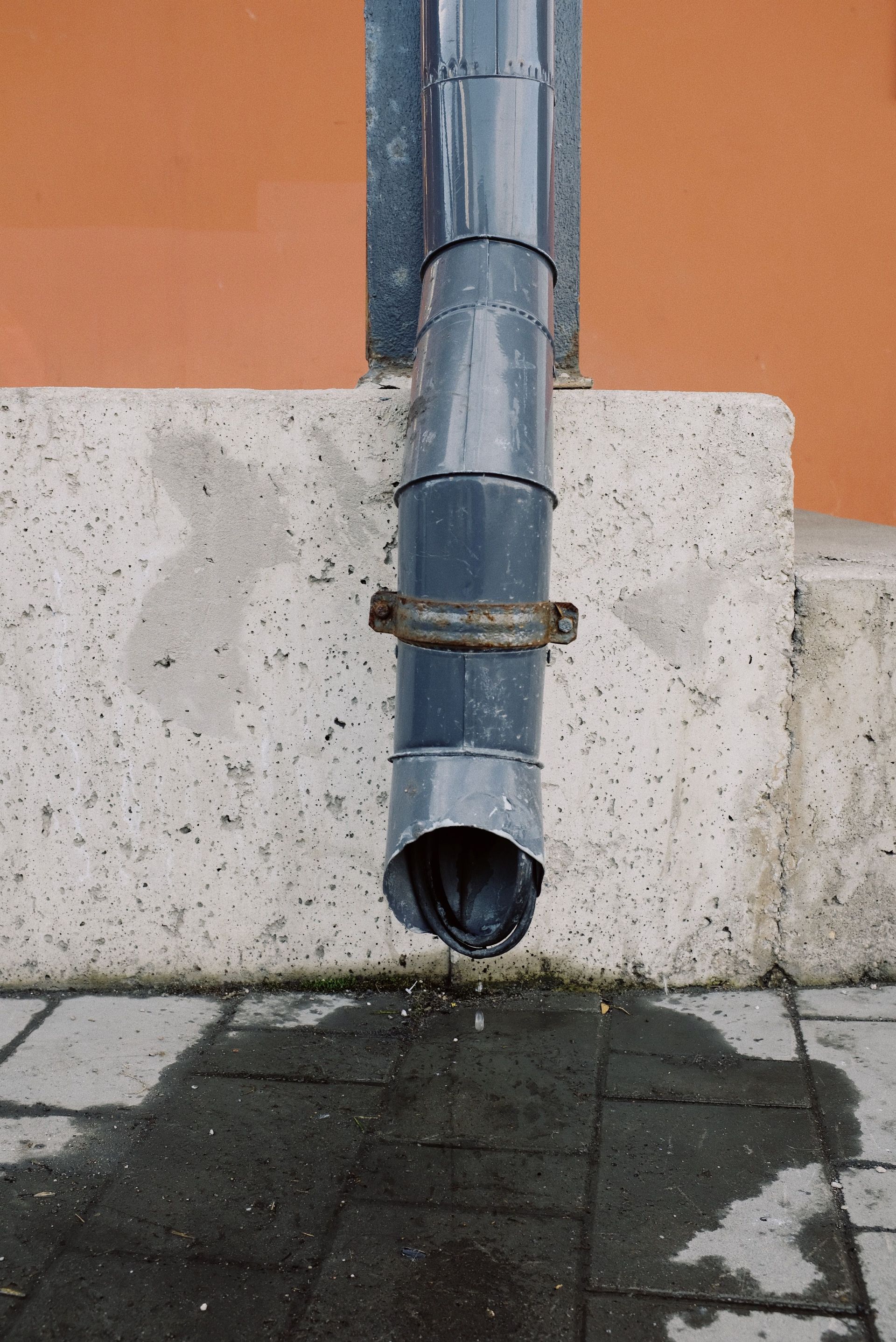
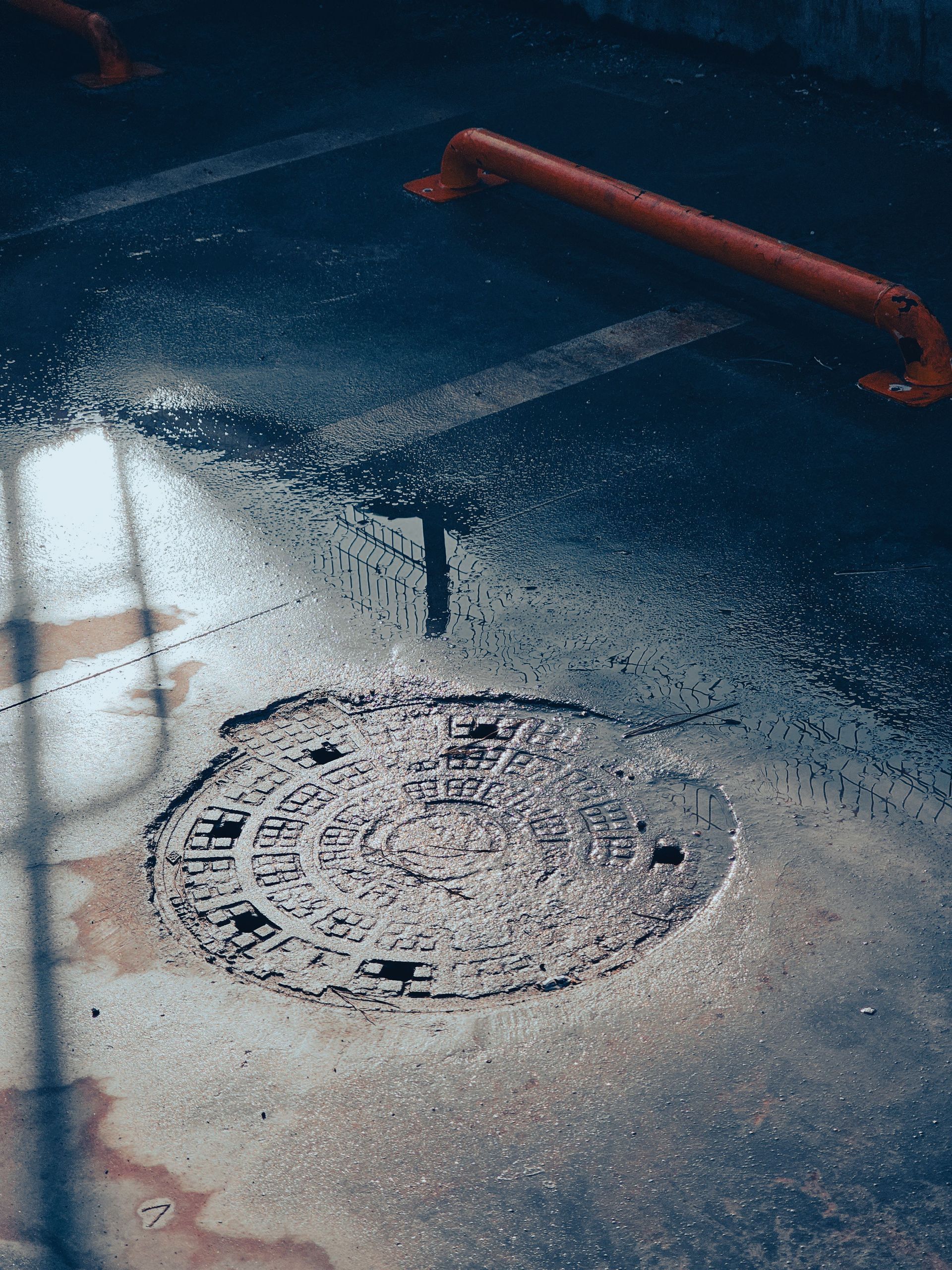
In general, landlords are responsible for keeping a rental property's drainage system in good working order. That includes the underground pipework, soil stacks, manholes and anything that formed part of the property when the tenancy began. If a drain collapses, a pipe cracks underground, or tree roots work their way into the system, that's a landlord repair, not a tenant one.
Tenants, on the other hand, are generally expected to use the drains properly and to report problems promptly. Pouring fat down the kitchen sink, flushing wipes or sanitary products, or letting hair build up in a shower drain are tenant-caused blockages, and many tenancy agreements make the tenant liable for the cost of clearing them. The tricky part is proving which category a blockage falls into, which is exactly why a professional CCTV drain survey is worth having on hand before an argument ever starts.
A survey gives you hard evidence rather than guesswork. Footage showing a baby wipe lodged in a pipe looks very different to footage showing a cracked, root-choked section of underground drain, and that difference can save you a difficult conversation with a tenant or an outgoing deposit dispute.
2. The Tenant Complaints You'll Hear Most Often
Across the Dublin and Kildare properties we service, a handful of complaints come up again and again. A slow-draining bath or sink is usually the first sign a tenant notices, often weeks before it becomes a full blockage. A gurgling toilet, or a smell of sewage near a sink or shower, points to a partial blockage or a venting problem further down the line.
Then there's the complaint nobody wants to get: signs of rats or mice near drains or manhole covers. This is more common than landlords expect, especially in older properties or anywhere pipework has cracked or a rat flap is missing. Have you ever had a tenant describe a "funny smell" that turned out to be something far more serious? Left unaddressed, a rodent issue escalates quickly from a tenant irritation into a genuine health and safety complaint, and a much bigger repair bill.
Garden or yard flooding after heavy rain is another frequent call, particularly across low-lying parts of Dublin and Kildare. It often points to a failing soakaway or an undersized drain that simply can't cope with the volume, rather than anything the tenant has done.
3. Responding to a Drainage Complaint the Right Way
When a tenant reports a drainage issue, speed and communication matter almost as much as the fix itself. Acknowledge the complaint within 24 hours, even if it's just to confirm you've logged it and arranged an inspection. Ask a few quick questions, such as whether water is backing up, whether there's a smell, and whether it has happened before, so you can judge whether it's a genuine emergency or something that can safely wait a day or two.
For anything serious, such as sewage backing up, no working toilet, or flooding inside the property, treat it as an emergency and call a 24-hour service straight away. Drain Medic's engineers reach Dublin and Kildare properties quickly, and a CCTV drain survey on arrival gives you clear evidence of what caused the blockage, which is invaluable if a dispute over who pays ever comes up.
Keep a simple record of every drainage complaint: the date it was reported, what was found, and what was done about it. A paper trail like this makes life much easier if the RTB, an outgoing tenant, or a new buyer ever asks you to prove when a repair was carried out.
4. Preventing Complaints Before They Start
The best way to handle tenant drainage complaints is to get ahead of them. A preventative maintenance plan, with a scheduled drain clean and CCTV inspection once or twice a year, catches root intrusion, grease build-up and pipe damage long before any tenant notices a thing. For landlords managing several units across Dublin or Kildare, this is almost always cheaper than reacting to emergency call-outs property by property.
It's also worth running a CCTV survey at the start and end of each tenancy. It gives you a clear record of the drain's condition, protects you if a dispute comes up over deposit deductions, and flags any rat flap or soakaway issues before a new tenant moves in. A short note to tenants about what not to put down the drains, such as wipes, fat and cotton buds, goes a long way too, and costs nothing to send.
Drainage problems are one of the most common sources of friction between landlords and tenants, but most of it is avoidable with clear responsibilities, fast responses and a bit of preventative care. Knowing where your obligations start and end, keeping good records, and having a trusted drainage company on call takes the stress out of that late-night phone call.
If you're a landlord or property manager in Dublin or Kildare and want a drainage partner who responds fast, documents everything, and helps you stay ahead of tenant complaints, talk to Drain Medic. Call us on (01) 505 9494 or email info@drainmedic.ie to arrange a CCTV survey or set up a preventative maintenance plan for your properties today.