


What Happens During a Professional Drain Unblocking Call-Out?

No author • October 4, 2026

Share this article

You've got a drain that's backed up, maybe water pooling where it shouldn't be, and you've just booked a professional to come out and sort it. But what actually happens between that phone call and the moment your drains are running freely again? For a lot of homeowners and business owners, the whole process is a bit of a mystery, and that uncertainty can make an already stressful situation feel worse.

Knowing what to expect from a professional drain unblocking call-out means you can ask the right questions, understand what you're paying for, and spot the difference between a quick fix and a proper, lasting repair. In this guide, we'll walk you through exactly what happens from the first phone call to the final handshake, so you know what a thorough job looks like the next time Drain Medic rolls up outside your door.

1. Before the Van Arrives: The Call and the Triage

Every call-out starts with a conversation. When you ring Drain Medic, we'll ask you a few quick questions: where the blockage seems to be, what symptoms you're seeing, and how urgent the situation is. A toilet that won't flush and is slowly rising is treated very differently to a slow-draining garden gully that's been annoying you for a week.

This triage step matters because it helps us send the right engineer with the right equipment on the first visit. There's nothing more frustrating than a van arriving without the jetting unit you actually need. We'll also give you a realistic arrival window, because sitting around waiting for a tradesperson is nobody's idea of a good afternoon.

For genuine emergencies, such as sewage backing up into the house or water pooling around a manhole cover, we prioritise getting an engineer to you fast across Dublin and Kildare. For less urgent issues, we'll schedule a slot that suits you, along with simple advice on what to avoid doing in the meantime.

2. On-Site Assessment: Finding the Real Problem

When our engineer arrives, the first job isn't to start clearing anything. It's to understand exactly what's going on. We'll ask you more about the history of the problem, check the obvious access points like manholes, gullies and inspection chambers, and look for visual clues such as water levels, odours or slow drainage patterns.

Have you ever wondered why a technician spends the first ten minutes just looking rather than reaching for a tool? Guessing at a blockage wastes time and money, and can make things worse if the wrong method is used. A blockage caused by tree roots needs a very different approach to one caused by grease or wet wipes.

Where the cause isn't obvious from the surface, we'll often run a CCTV drain survey at this stage. A small waterproof camera is fed through the pipework, giving our engineer a live view of exactly where the blockage sits, what it's made of, and whether there's any underlying damage like a cracked or collapsed section of pipe. This step turns guesswork into a clear diagnosis.

This assessment stage also protects you. If a problem turns out to be more serious than a simple blockage, perhaps a collapsed pipe or significant root intrusion, you'll know about it before any work begins, along with honest advice on your options.

3. Clearing the Blockage: Jetting, Rodding and Verification

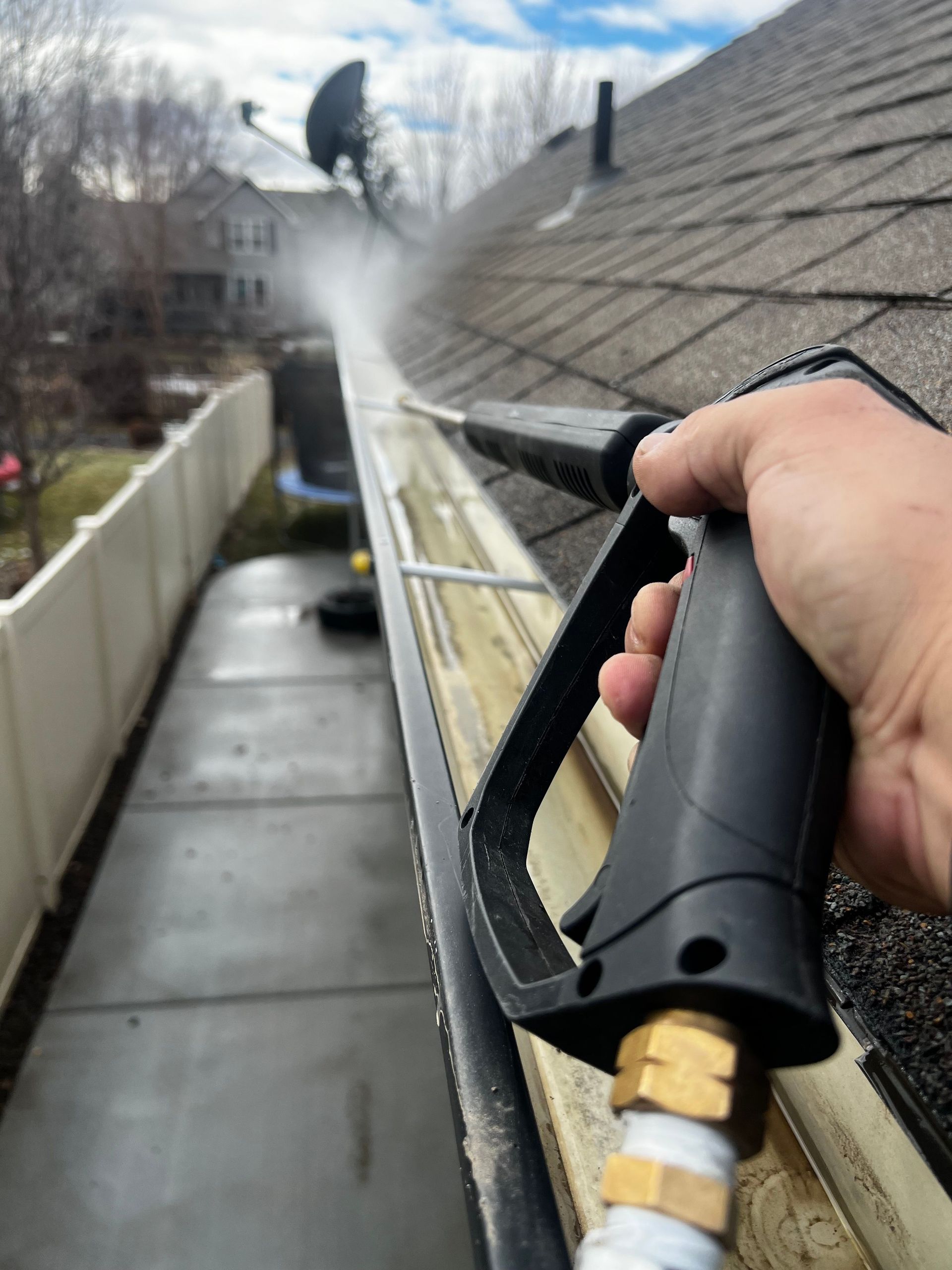
Once the cause is clear, it's time to actually clear the drain. For most blockages, our engineers use high-pressure water jetting, which forces water through the pipe at speed to break up and flush away everything from grease and silt to tree root intrusion. It's fast, effective, and doesn't require digging up your garden or driveway.

For more localised blockages, traditional drain rodding might be used instead, particularly in smaller bore pipework where jetting equipment can't easily reach. Our engineers carry a range of equipment on every call-out so they can switch methods on the spot, rather than forcing one solution onto every job.

Throughout the clearing process, we're also keeping an eye on how the drain is responding. Is the water flowing away freely now? Has the blockage fully cleared, or has it just been pushed further down the line? This is where experience counts, because a drain that looks clear can still have a partial obstruction sitting further along the run.

Once we're confident the blockage is gone, we'll often re-run the CCTV camera to confirm the pipe is genuinely clear along its full length, not just at the point we could see from the surface. This verification step is what separates a quick, surface-level fix from a job that's actually been done properly.

4. After the Job: Advice, Prevention and Peace of Mind

Clearing the blockage is only half the job. Before we leave, we'll explain what caused the problem in plain language and what you can do to stop it coming back. Sometimes that's a simple change, like being more careful about what goes down a kitchen sink. Other times it points to a structural issue that needs a longer-term repair plan.

If the survey revealed something beyond a simple blockage, such as root damage or a deteriorating section of pipe, we'll talk you through the realistic repair options, including no-dig relining where suitable, so you're never guessing what happens next or facing a surprise bill.

For properties prone to recurring blockages, we might suggest a preventative maintenance plan, with scheduled cleaning that catches small build-ups before they become full blockages. It's often far cheaper over a year than repeatedly paying for emergency call-outs.

A proper call-out should always end with clarity: what was wrong, what we did about it, and what, if anything, needs watching going forward. You should never be left wondering whether the problem is actually fixed or just temporarily pushed out of sight.

Know What to Expect, Every Time

A professional drain unblocking call-out is about more than just shifting a blockage. It's a structured process of listening, diagnosing, clearing and verifying, backed up by honest advice so you understand exactly what happened to your drains and how to keep them running smoothly. That's the standard we hold ourselves to on every single visit, whether it's a straightforward household blockage or a more complex commercial drainage issue.

If you've got a drain that needs attention, or you'd simply like to know what a call-out would involve for your specific situation, give the Drain Medic team a call on (01) 505 9494 or email us at info@drainmedic.ie. We're ready to talk you through it and get your drains flowing freely again.

Recent Posts

By No author • October 3, 2026
Wondering what drain relining costs in Dublin? See the key factors that affect the price, from pipe diameter to access, and how to get an accurate quote.

By No author • October 2, 2026
Searching for a reliable drain cleaning company near you in Dublin? Learn the key questions to ask, red flags to avoid, and what sets true experts apart.

By No author • October 1, 2026
Bringing a new development to completion in Dublin? Learn why new-build drains fail early, the causes, and why a CCTV survey belongs on every snagging list.
By No author • September 30, 2026
Wondering if a preventative drain maintenance plan is worth it? See what's included, the real cost of skipping one, and how Drain Medic can help you decide.
By No author • September 29, 2026
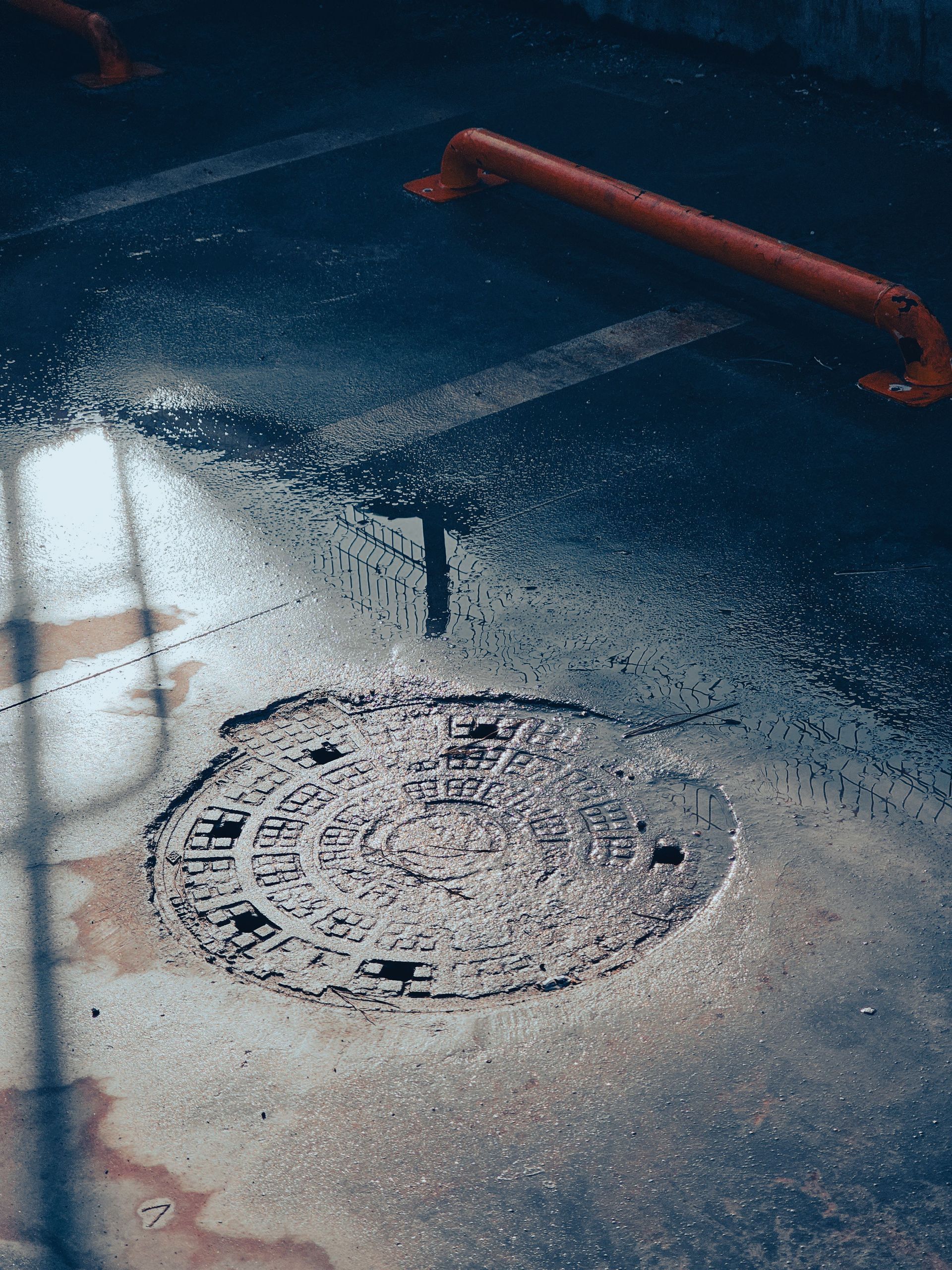
Spotted water backing up around a manhole cover? Learn the warning signs, what to do before help arrives, and how Drain Medic clears blockages fast in Dublin.

By No author • September 28, 2026
Spotting tree root damage in your drains early can save you a costly repair. Learn the warning signs and how Drain Medic finds and fixes root intrusion fast.
By No author • September 15, 2026
A slow-draining sink or bath is rarely just slow. Discover what causes it, the real cost of ignoring it, and when to call Drain Medic for a lasting fix.

By No author • September 14, 2026
Wondering why your drains smell worse in summer? Discover the common causes, quick DIY fixes to try at home, and when to call a drainage professional.
By No author • September 11, 2026
Freezing pipes and flooded drains are common across Dublin winters. Learn how to protect your pipework and prepare your drains before the cold sets in.
By No author • September 10, 2026
Wondering how often to have your drains professionally cleaned? Discover the ideal schedule for homes and businesses, plus warning signs to watch for.
Show More