
Rodent Investigations: How Rats Get Into Your Drains and How to Stop Them
Hearing scratching under the floor or catching a whiff of something foul near a manhole cover is never a good sign. More often than not, the culprit isn't in your attic or your shed, it's in your drains. Rats are strong swimmers, brilliant climbers and surprisingly patient, and a cracked or poorly sealed drainage system gives them exactly the way in they're looking for.
At Drain Medic, rodent investigations are one of our most requested services across Dublin and Kildare, especially once the weather turns and rats start looking for warm, dry places to nest. In this article we'll explain how rats actually get into your drains, the warning signs to watch for, what a professional rodent investigation involves, and the practical steps that stop them coming back for good.
1. How Rats Get Into Your Drains in the First Place
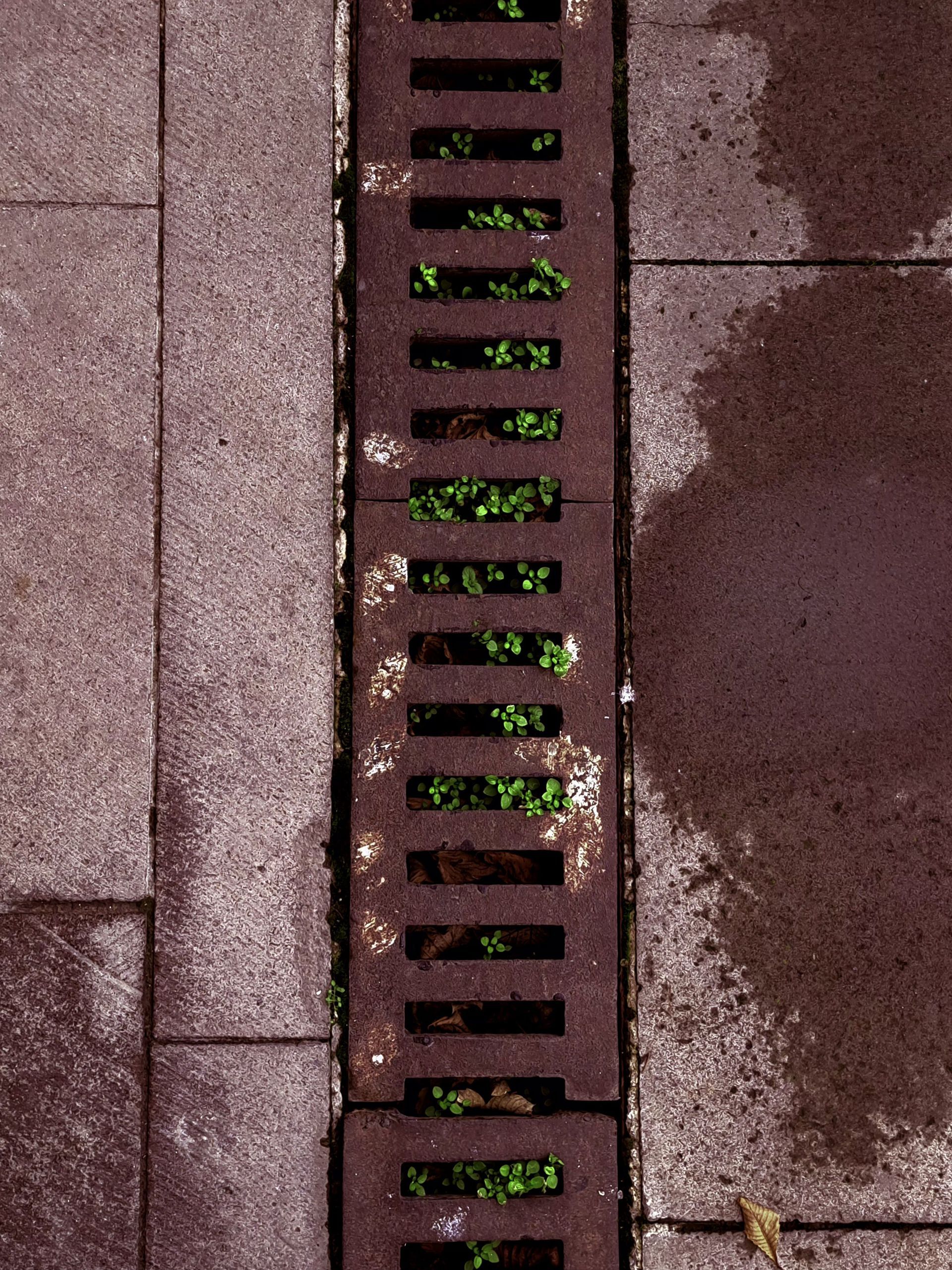
Rats don't need much of a gap. A damaged pipe joint, a cracked section of drain, or an old manhole cover that no longer seals properly is all it takes for a rat to squeeze through and set up home in your underground network. Once inside, they can travel long distances through the pipe run, moving between properties along the same sewer connection.
Older drainage systems are particularly vulnerable. Clay pipes that have shifted with ground movement, root intrusion that has cracked a joint, or a broken section left over from a previous repair all create the perfect entry point. Rats are also excellent climbers, so a poorly maintained soil vent pipe on the roof can be just as much of a risk as a damaged pipe underground.
Have you noticed a slow-draining sink or a manhole that never quite sits flush? Small defects like these are often the first clue that something has opened up a route into your drainage system, long before you ever see a rat above ground.
2. The Warning Signs You're Sharing Your Drains With Rodents
Most rodent problems are spotted above ground long before anyone thinks to check the drains. Gnaw marks on skirting boards, droppings near bins or under sinks, and greasy smear marks along walls where rats regularly travel are all classic signs. A persistent, unpleasant smell near an external gully or manhole is another strong indicator.
Unusual scratching noises inside cavity walls or under floors, particularly at night, are one of the most common reasons Dublin homeowners call us. Pets acting strangely around a particular corner of the house, or sniffing obsessively at a skirting board, can also be a useful early warning sign that something is moving beneath the floor.
None of these signs guarantee the drains are the entry point, but they're common enough that it's always worth ruling drains out first. Chasing rodents out of a wall cavity without addressing the underground access point usually means they, or the next generation, will be back within weeks.
3. What a Professional Rodent Investigation Involves
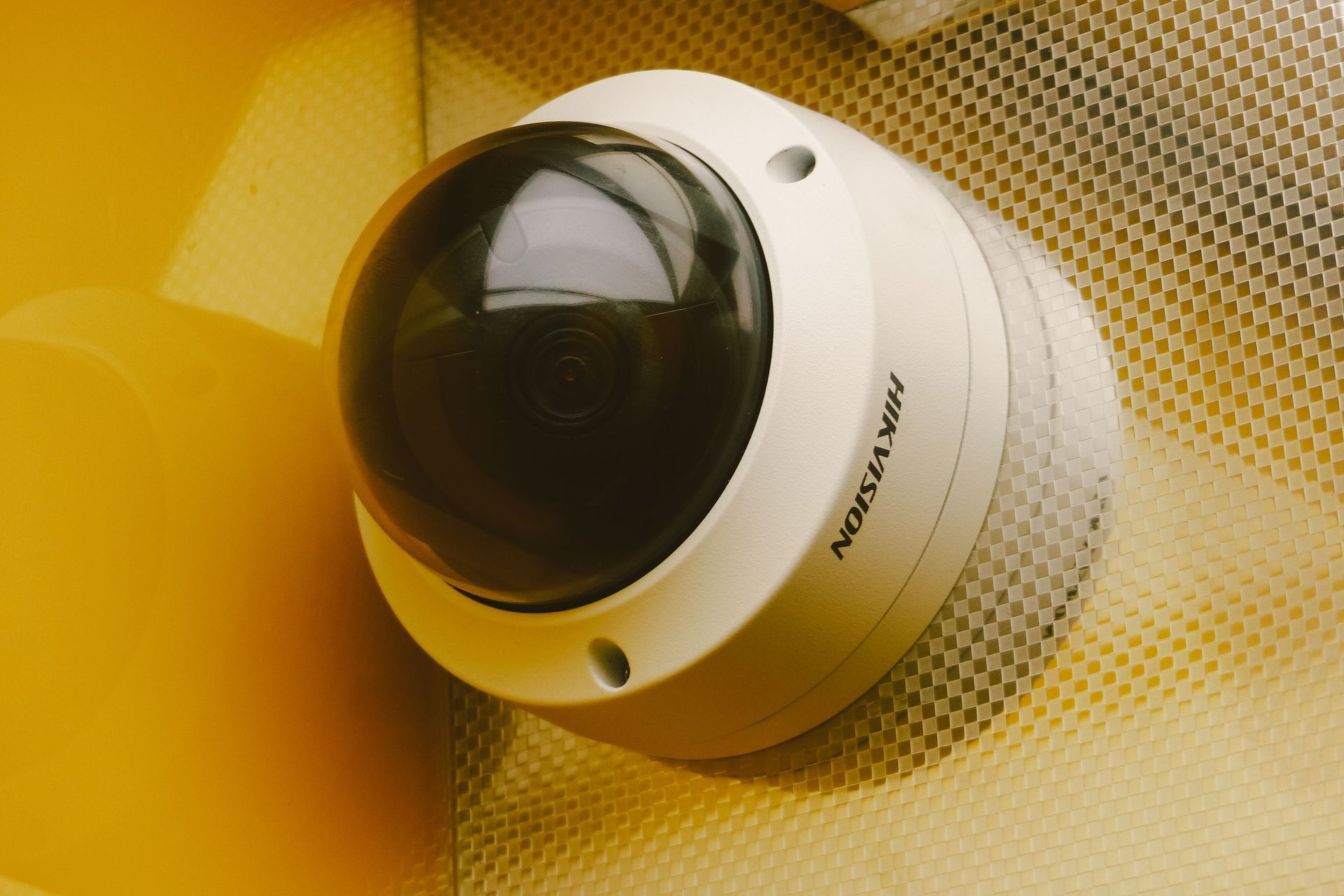
A proper rodent investigation starts with a CCTV drain survey. Our engineers feed a camera through the affected drain run to check for cracked pipework, displaced joints, root ingress and any other defect that could be giving rats a way in. This lets us pinpoint the exact location and cause of the problem rather than guessing.
We also carry out a visual inspection of manholes, gullies and any exposed pipework above ground, checking covers, seals and vent pipes for gaps. Where needed, we can combine this with smoke testing to trace hidden leaks or entry points that aren't obvious from a camera survey alone.
Once we've identified how the rats are getting in, we give you a clear, honest report explaining what we found and what needs to happen next, whether that's a targeted drain repair, a relining job, or a straightforward rat flap installation. There's no guesswork and no upselling, just a practical plan based on what the survey actually shows.
4. Stopping Rats for Good: Rat Flaps and Ongoing Prevention
The most effective long-term fix is usually a one-way rat flap, fitted directly into the drain run. It allows normal wastewater flow out as usual but physically blocks rats from travelling back up into your system. It's a quick, non-disruptive installation that doesn't involve digging up your garden or driveway, and it works around the clock without any maintenance from you.
Alongside a rat flap, repairing any cracked pipework or displaced joints found during the survey closes off the secondary entry points rats could otherwise exploit. Sealing gaps around manhole covers and making sure soil vent pipes are properly capped rounds out a complete prevention plan.
For landlords, property managers and homeowners alike, scheduling a periodic drain check is far cheaper than dealing with a full-blown infestation later. Catching a small crack or a loose joint early means a straightforward repair now instead of an emergency call-out and pest control bill down the line.
A rodent problem in your drains is unsettling, but it's also one of the most fixable drainage issues out there once you know exactly where the access point is. A proper investigation takes the guesswork out of it, and a rat flap combined with any necessary repairs gives you a lasting solution rather than a temporary scare.
If you've spotted any of the warning signs above, or you'd simply like peace of mind that your drains are secure, get in touch with Drain Medic on (01) 505 9494 or email info@drainmedic.ie . Our team covers Dublin and Kildare with fast, professional rodent investigations and rat flap installations designed to keep your property protected.
Recent Posts