

Commercial Drainage Solutions for Property Managers and Landlords
If you manage apartment blocks, retail units or a portfolio of rental properties across Dublin, you already know that a blocked drain is never just a blocked drain. It is a call from a tenant at 7am, a health and safety risk, and potentially a legal headache if it is not sorted quickly and properly. Commercial drainage carries a different level of responsibility than a single household pipe, and treating it the same way usually ends up costing more in the long run.
In this guide we will walk through what makes commercial and multi-unit drainage different, the problems we see most often in managed properties, the services that keep things running smoothly, and how to put a proper maintenance plan in place. Whether you look after one building or fifty, understanding this will save you time, money and a lot of awkward phone calls with tenants.
1. Why Commercial Drainage Is a Different Job
A domestic drain typically serves one kitchen, one bathroom and one household's habits. A commercial or multi-unit system might be serving forty apartments, a restaurant kitchen, a communal laundry and a car park gully, all tied into the same network of pipework. The volume of wastewater is higher, the range of what goes down the drain is wider, and the consequences of a failure are bigger.
There is also a compliance dimension that homeowners rarely have to think about. Landlords and property managers can be held responsible for shared drainage infrastructure, and commercial premises such as restaurants have specific legal obligations around grease and wastewater management. Getting this wrong is not just inconvenient, it can result in fines or disputes with local authorities.
On top of that, access is often more complicated. Shared drainage runs beneath car parks, courtyards or under multiple units, so a fault in one section can affect several tenants at once. Have you ever had one blocked stack take out the plumbing for an entire floor of apartments? It happens more often than people expect, and it is exactly why commercial systems need a different approach from day one.
2. The Drainage Problems We See Most in Managed Properties
Blocked drains are the most common call-out, usually caused by a build-up of fat, wet wipes, food waste or general debris in shared pipework that nobody is individually responsible for maintaining. In older buildings, root ingress and deteriorating pipework add another layer of risk, particularly where the drainage infrastructure predates current standards.
Odour complaints are another frequent issue, often linked to dried-out traps, damaged pipework or poor ventilation in communal areas. Tenants tend to notice and complain about smells long before they report anything else, so an odour issue is often the first sign of a bigger problem developing underground.
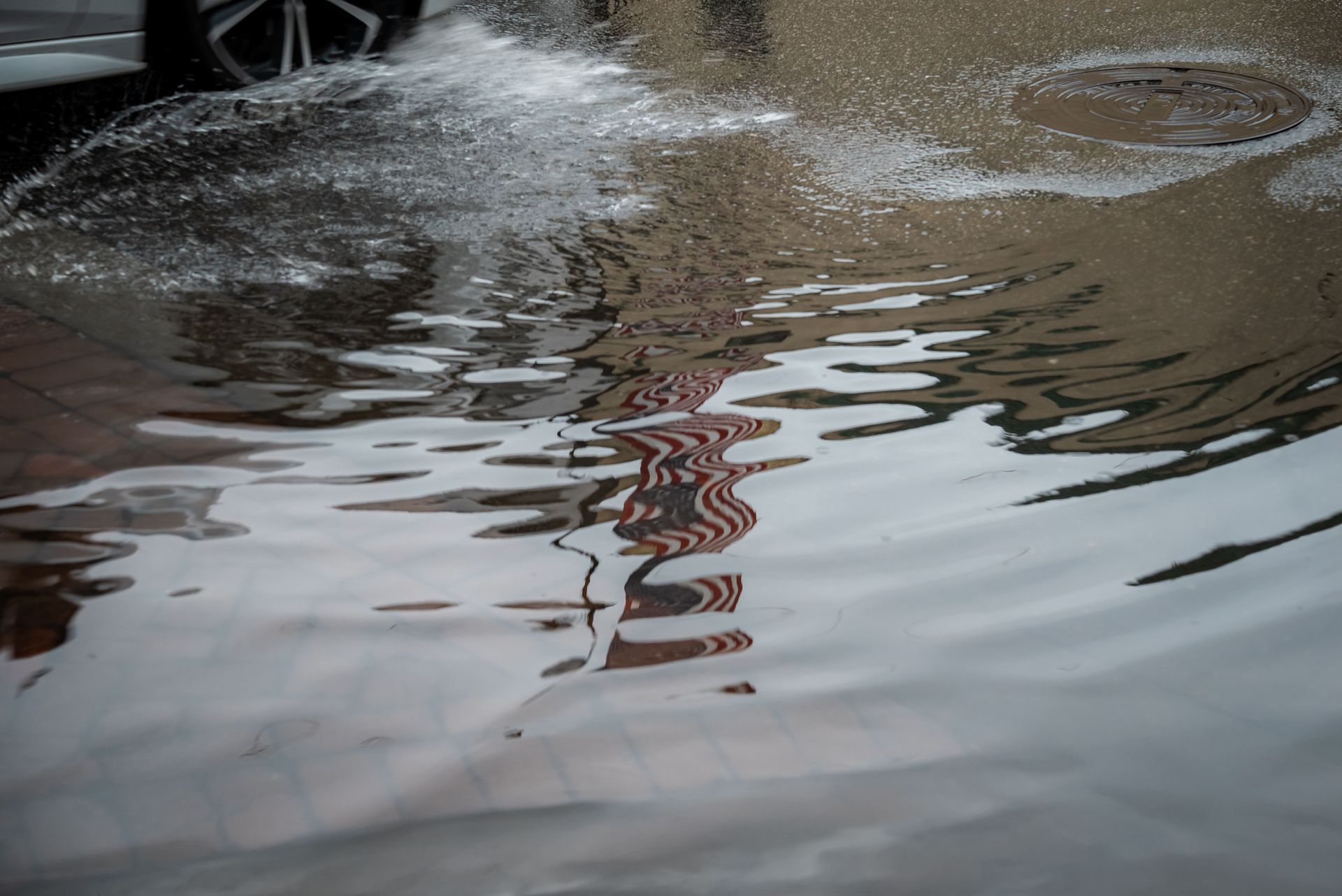
Then there is the seasonal pressure. Heavy rainfall can overwhelm soakaways and surface water drainage, especially on older sites, leading to flooding in car parks, basements or ground floor units. For restaurants and food businesses within a commercial unit, grease trap failures are a constant risk if maintenance schedules slip, and that risk sits squarely with whoever is managing the building.
3. The Services That Keep Commercial Sites Running
A CCTV drain survey is usually the starting point for any commercial site, giving us a clear picture of pipe condition, blockage points and any structural damage before we recommend a fix. This means property managers get an accurate diagnosis rather than guesswork, and a record they can keep on file for future reference or compliance purposes.
From there, high-pressure water jetting clears stubborn blockages and built-up grease or scale without needing to dig anything up, which matters when you are trying to minimise disruption to tenants or trading businesses. Where pipework is damaged, no-dig drain relining is often possible instead of full excavation, saving time and keeping communal areas usable throughout the works.
For restaurants and food premises, regular grease trap maintenance keeps drainage compliant and prevents the kind of blockages that shut down a kitchen at the worst possible time. And where rodent activity is suspected in shared drainage, a rodent investigation followed by rat flap installation deals with the root cause rather than just the symptoms tenants are reporting.
4. Building a Preventative Maintenance Plan
The single biggest difference between a well-run property and one that is constantly firefighting drainage problems is a preventative maintenance schedule. Rather than waiting for a blockage or a tenant complaint, a planned programme of jetting, CCTV checks and grease trap servicing catches problems while they are still small and cheap to fix.
For property managers with multiple sites, this also means predictable costs instead of unplanned emergency call-outs, and a clear paper trail showing that drainage has been properly maintained. That paper trail matters if a dispute ever arises with a tenant, an insurer or a local authority about the condition of shared infrastructure.
A good maintenance plan is built around your specific properties, not a generic checklist. Older buildings with mature trees nearby need root checks more often, food premises need more frequent grease trap servicing, and high-occupancy blocks need drainage capacity reviewed as tenant numbers change. Getting this tailored from the start is what actually prevents the 3am emergency calls.
Managing drainage across a portfolio of properties does not need to be reactive. With the right survey work, the right equipment and a maintenance schedule built around your buildings, blocked drains, odour complaints and grease trap failures become the exception rather than the norm. Getting ahead of these issues protects your tenants, your compliance record and your budget all at once.
If you are responsible for commercial or multi-unit drainage anywhere in Dublin or Kildare and want a proper survey, an emergency fix, or a maintenance plan tailored to your properties, call Drain Medic on (01) 505 9494 or email info@drainmedic.ie. We work with property managers and landlords across the region and we are ready to help, whatever the size of your portfolio.