



The True Cost of Ignoring a Slow-Draining Sink or Bath

No author • September 15, 2026

Share this article

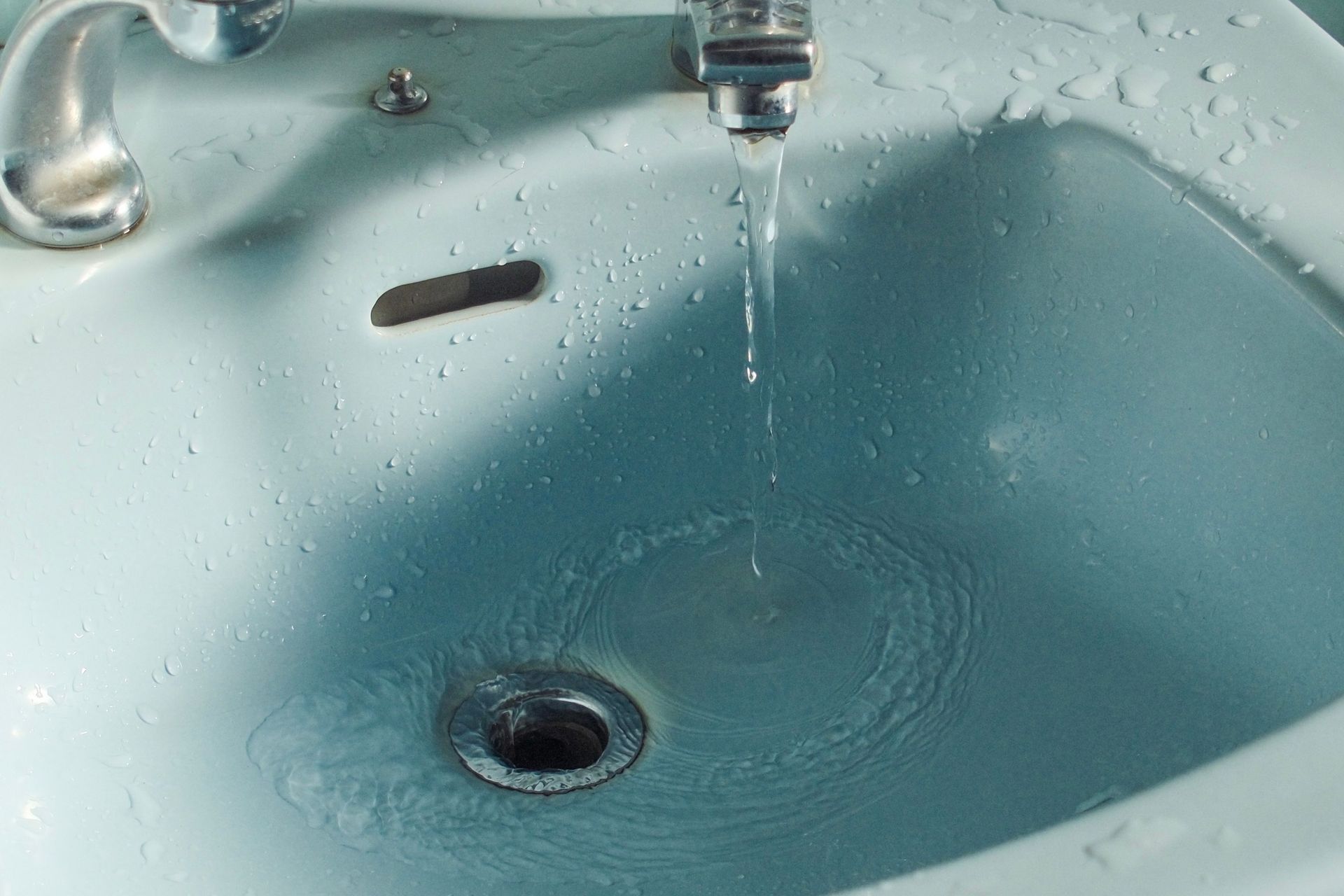
You turn on the tap, watch the water pool around the plughole for a few extra seconds, and think "I'll deal with that another time." Most of us have done it. A slow-draining sink or bath feels like a minor annoyance rather than an actual problem, so it gets pushed to the bottom of the to-do list, week after week.

Here's the thing though: a slow drain is never really "just slow." It's your pipework telling you something is building up in there, and that something only gets worse the longer it's ignored. In this article, we'll walk through what's really happening inside a sluggish drain, what it ends up costing you if you leave it, and how to tell when it's time to stop coasting and get it sorted properly.

1. What a Slow Drain Is Actually Telling You

A sink or bath that empties slowly almost always means a partial blockage somewhere in the pipework. It might be sitting right under the plughole, or it could be further down the line where you can't see it. Either way, water is still finding a way past the obstruction, which is exactly why it's easy to underestimate: the drain still "works", just more slowly than it should.

In bathroom sinks and baths, the usual culprits are hair, soap scum and the residue from shampoo and shower gel, which combine into a sticky mass that clings to the inside of the pipe. In kitchen sinks, it's more often fat, oil and food particles that solidify as they cool. Over time this build-up narrows the pipe's internal diameter, and every bit of debris that follows sticks a little more easily to what's already there.

Have you noticed the water taking longer to clear than it did a few months ago? That gradual change is the giveaway. A blockage rarely appears overnight; it grows in stages, and a slow drain is usually stage one.

2. The Real Cost of Leaving It

Ignoring a slow drain doesn't make the underlying build-up disappear, it just gives it more time to develop into something bigger and more disruptive. What starts as a partial blockage can, over weeks or months, become a full blockage that leaves you with standing water, an unusable sink, or a bath that won't drain at all.

There's a knock-on cost too. Standing water sitting in a partially blocked pipe creates the perfect environment for bacteria and mould, which is often where that faint musty smell around the plughole comes from. Constant low-level moisture around fittings and under floors can also lead to damage that's considerably more expensive to put right than the original blockage would have been.

Then there's pressure on the wider system. Every drain in your home connects into the same network, so a restriction in one sink or bath can put extra strain on the pipework around it, making blockages elsewhere more likely. What looks like a small, local nuisance is rarely as isolated as it seems.

3. Why DIY Fixes Only Go So Far

It's completely understandable to reach for a plunger or a bottle of drain cleaner first. Sometimes that clears a light surface blockage and the problem seems to vanish. But these methods only ever deal with what's immediately accessible near the plughole, not whatever has built up further along the pipe.

Chemical drain cleaners in particular can do more harm than good with repeated use. They're corrosive by design, and older pipework especially can be damaged by frequent exposure, turning a blockage problem into a pipe repair problem. A plunger, meanwhile, can sometimes just push the blockage further down the line rather than clearing it, which is why the same sink often ends up slow again within a few weeks.

If you've tried the usual home remedies more than once on the same sink or bath, that's a strong sign the blockage is sitting somewhere those methods simply can't reach.

4. When to Call in the Professionals

A slow drain that keeps coming back, gurgles as it empties, or is joined by an unpleasant smell is telling you the problem has moved beyond a quick fix. At that point, it's worth having it looked at properly rather than repeating the same DIY steps and hoping for a different result.

At Drain Medic, we start with a proper look at what's actually going on, often using CCTV drain survey equipment to see exactly where the blockage sits and what it's made of, rather than guessing. From there, our high-pressure water jetting clears the build-up thoroughly, restoring the pipe closer to its original diameter instead of just punching a temporary hole through the blockage.

It's a faster, more lasting solution than another round of plunging, and it means you're not back in the same spot again in a month's time.

Don't Let a Small Problem Become a Big One

A slow-draining sink or bath is easy to live with right up until the day it isn't, and by then you're usually dealing with standing water, odours, or a fully blocked pipe instead of a simple, straightforward fix. Catching it early nearly always means a quicker, cheaper resolution than waiting for it to escalate.

If your sink or bath has been slow to clear lately, don't wait for it to stop draining altogether. Give the Drain Medic team a call on (01) 505 9494 or email info@drainmedic.ie , and we'll get it properly diagnosed and cleared, fast, tidy, and built to last.

Recent Posts

By No author September 14, 2026
Wondering why your drains smell worse in summer? Discover the common causes, quick DIY fixes to try at home, and when to call a drainage professional.
By No author September 11, 2026
Freezing pipes and flooded drains are common across Dublin winters. Learn how to protect your pipework and prepare your drains before the cold sets in.
By No author September 10, 2026
Wondering how often to have your drains professionally cleaned? Discover the ideal schedule for homes and businesses, plus warning signs to watch for.
By No author September 9, 2026
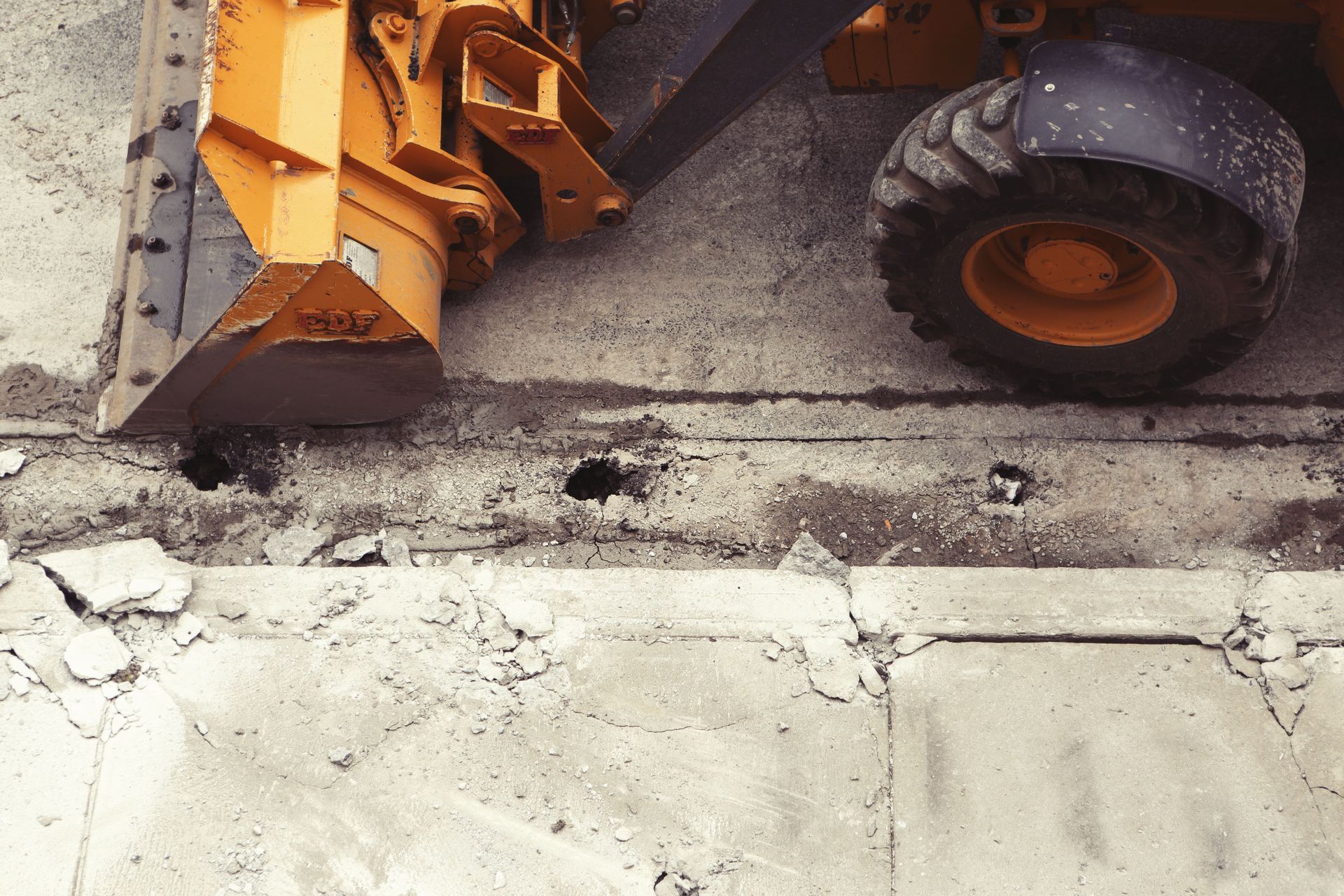
Not sure if your damaged drain needs excavation or no-dig relining? Learn how Drain Medic decides, and what each repair means for cost and disruption.

By No author September 8, 2026
Property managers and landlords: discover the commercial drainage issues Dublin buildings face most, and how a maintenance plan prevents costly failures.

By No author September 7, 2026
Grease trap maintenance is a legal requirement for Dublin restaurants. Learn what Irish Water expects, how often to clean, and what happens if you don't.
By No author September 4, 2026
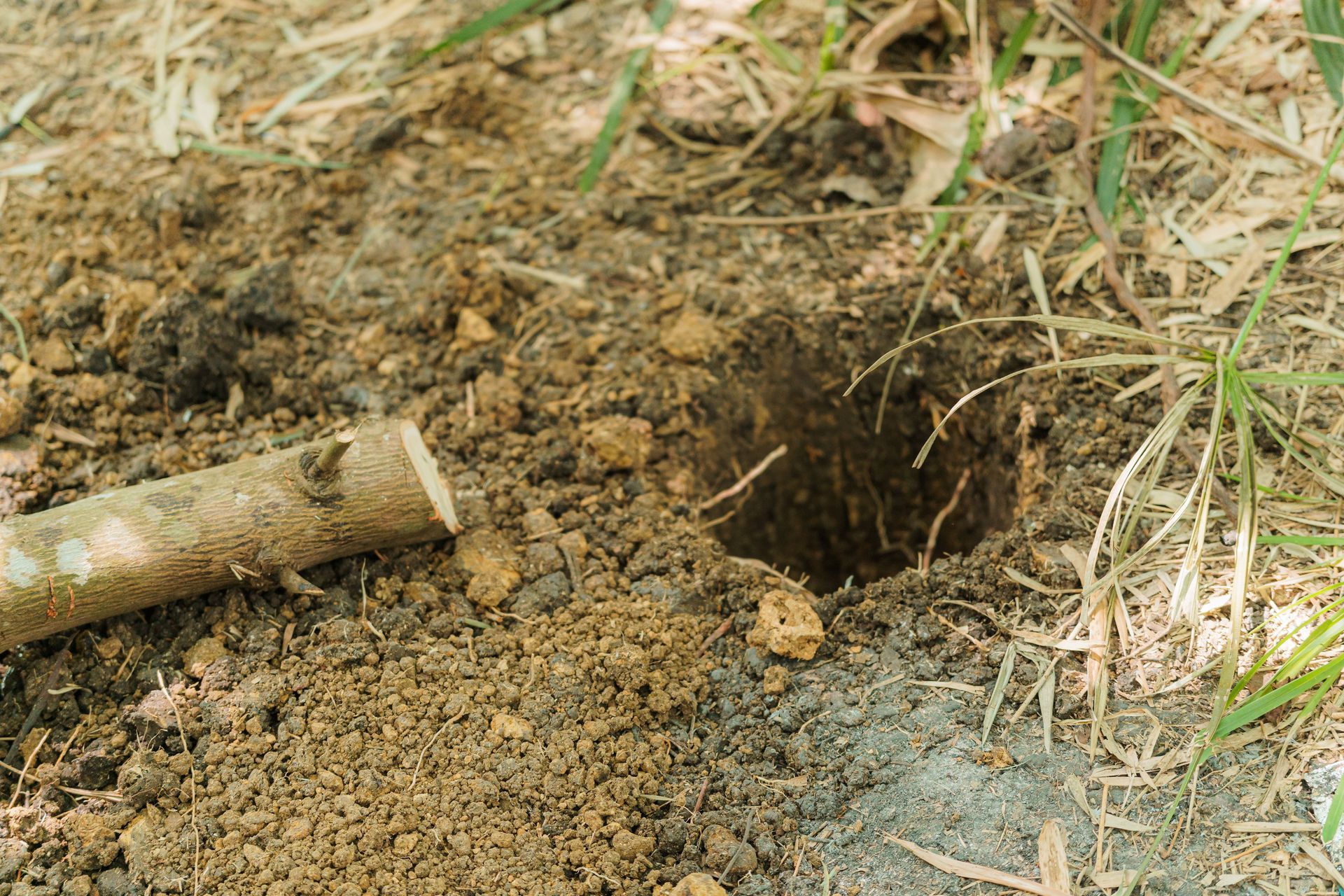
Garden flooding every time it rains? Discover why soakaways fail, the warning signs to spot, and how Drain Medic diagnoses and fixes garden flooding fast.
By No author September 3, 2026
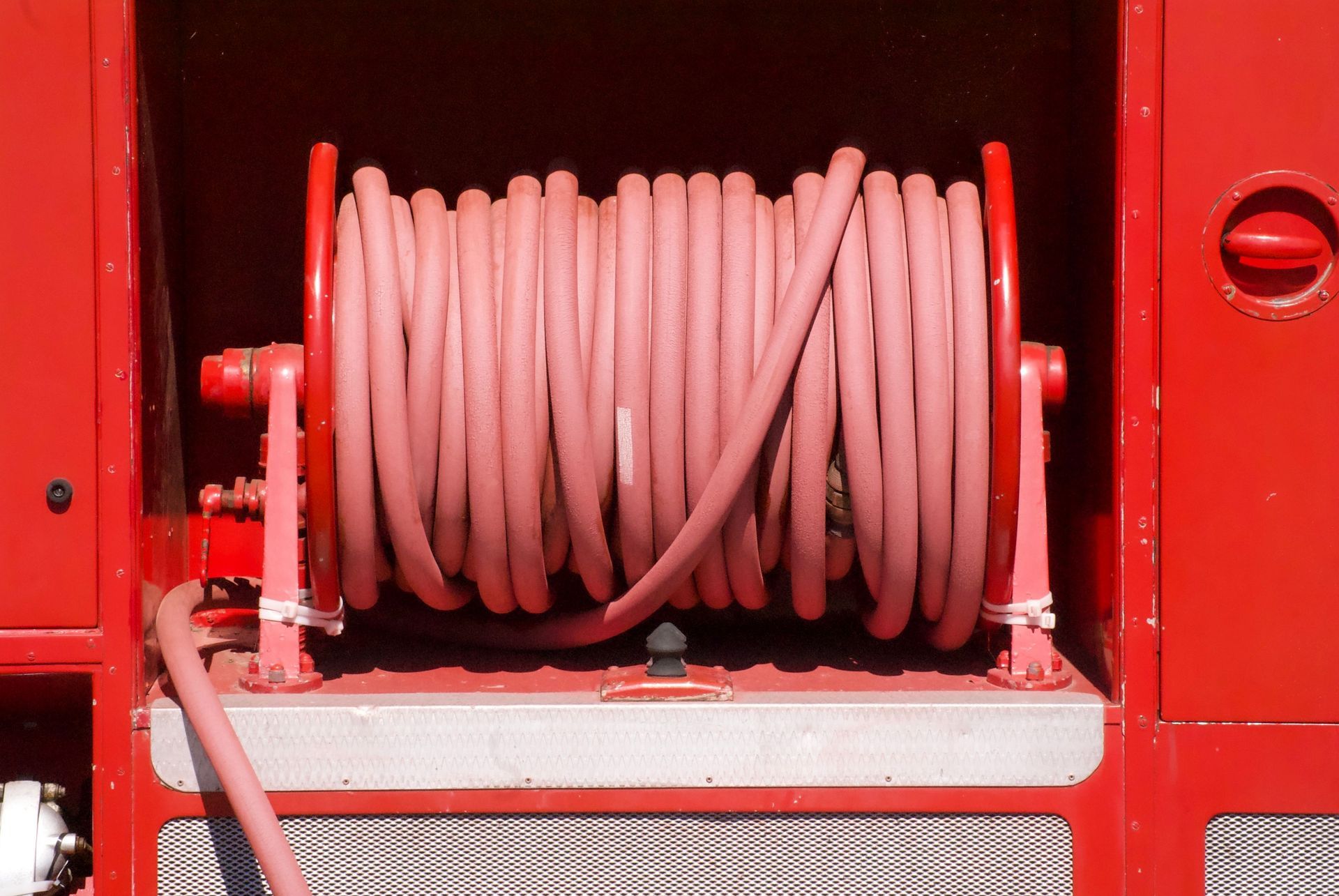
Got a blockage that won't budge? Discover how Drain Medic's high-pressure water jetting clears stubborn drains fast, without digging up your property.
By No author September 2, 2026
Rats in your drains? Discover exactly how they get in, the warning signs to watch for, and how Drain Medic's rodent investigations stop them for good.
By No author September 1, 2026
Rats getting into your drains? Discover how a professional rat flap installation from Drain Medic stops rodents for good, fast, tidy, and built to last.
Show More