
Winter Drain Care: Protecting Your Pipes from Freezing and Flooding
Irish winters are hard on drains. One sharp cold snap can freeze a pipe overnight, and the very next week a band of heavy rain can push your whole system past its limit. Both problems show up at the worst possible moment, usually early on a freezing morning or in the middle of a storm, and both can mean water where you really don't want it.
The good news is that most winter drainage emergencies are preventable with a bit of forward planning. In this guide, we'll explain why cold weather causes so much trouble for pipes and drains, share simple steps you can take now to protect your property, and explain what to do if a freeze or a flood catches you out anyway.
1. Why Winter Is So Hard on Dublin's Drains and Pipes
Water expands as it freezes, and that's really the root of every winter pipe problem. When water sitting inside an exposed pipe drops below zero, it expands against the pipe walls. Enough of that pressure, repeated over a cold snap, and you can end up with a split pipe, a cracked fitting, or a completely blocked section that won't clear until everything thaws out again.
Exposed and poorly insulated pipework is most at risk. Think about outdoor drains, pipes running through an unheated garage or attic, and any external pipework attached to sheds, outbuildings or older extensions. These sections rarely get much thought during the rest of the year, but in a proper cold snap they're often the first thing to fail.
Then there's the flip side. Irish winters don't stay cold and dry for long, and a freeze is usually followed by rain, sometimes heavy rain. Frozen ground can't absorb water the way it normally would, so more of it runs straight into your drainage system. If that system is already carrying debris, root intrusion or a partial blockage from earlier in the year, winter is exactly when it tends to reach breaking point.
Have you ever noticed your drains coping fine all summer, only to back up the moment the weather turns? That's rarely bad luck. It's usually a smaller issue that heavy rain and freezing temperatures finally expose.
2. Simple Ways to Stop Your Pipes From Freezing
You don't need major building work to protect most pipework from frost. Lagging, or pipe insulation, is the single most effective step, and it's inexpensive to fit around any exposed section, especially where pipes run through a garage, attic, shed or crawl space. A few hours with some foam lagging before the first proper cold snap can save you a very expensive repair later.
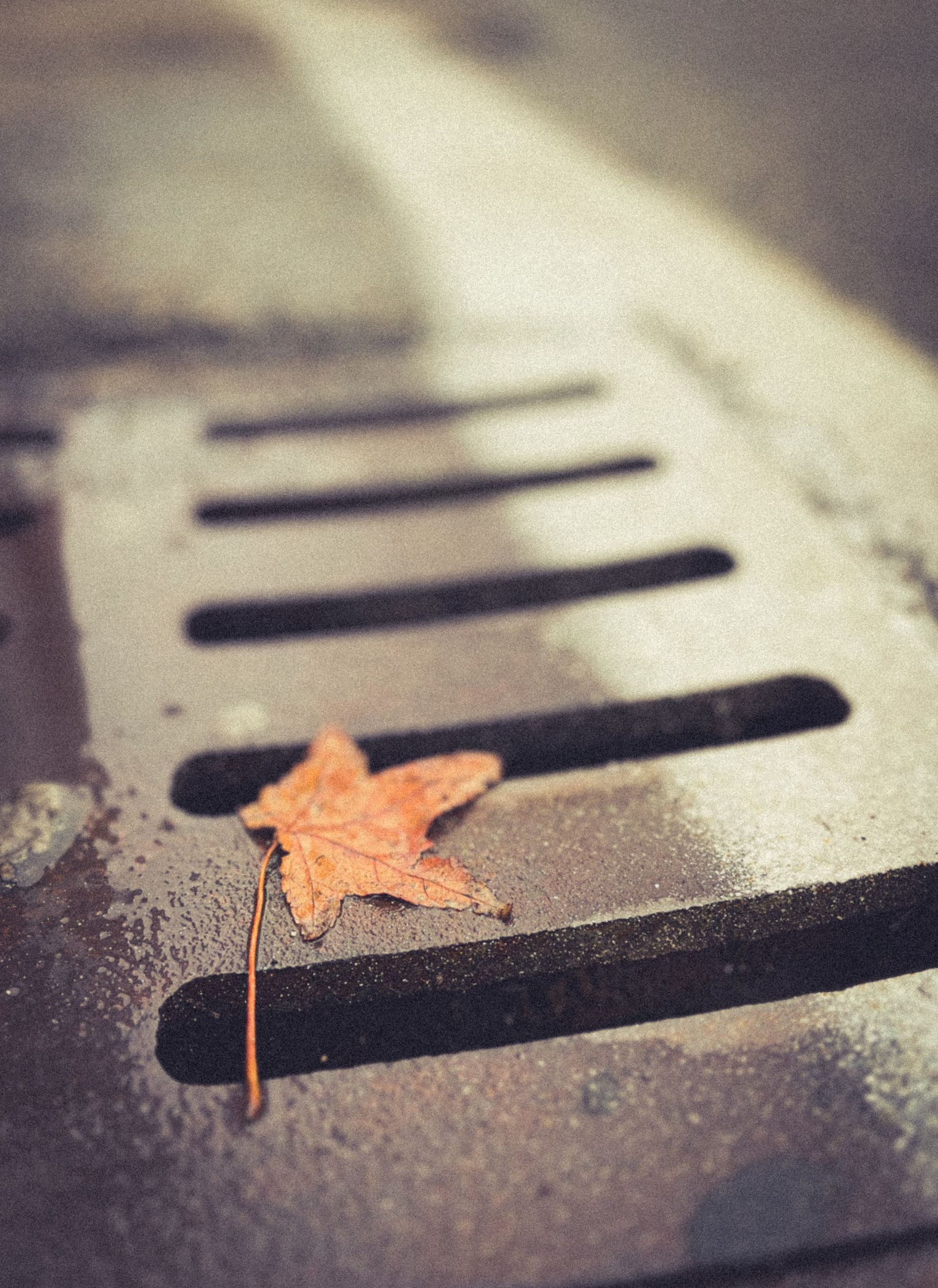
Outdoor drains and gullies deserve a check too. Clear away leaves, moss and general debris before winter sets in, because a gully that's already partially blocked has far less room to cope when ice forms around it. If you have an outside tap, disconnect the hose, drain it fully and fit an insulated cover where possible.
During a genuine cold snap, a few habits make a real difference. Letting a cold tap run at a very slow trickle overnight keeps water moving through vulnerable pipework, and it's far cheaper than a repair. If you're heading away for a few days over the winter, leave the heating on a low, steady setting rather than switching it off completely, and ask a neighbour to check the property if you can.
Know where your stopcock is, too. If a pipe does start to leak or burst, being able to shut off the water supply quickly is what separates a minor inconvenience from a soaked kitchen or hallway.
3. When Heavy Rain and Flooding Overwhelm Your Drains
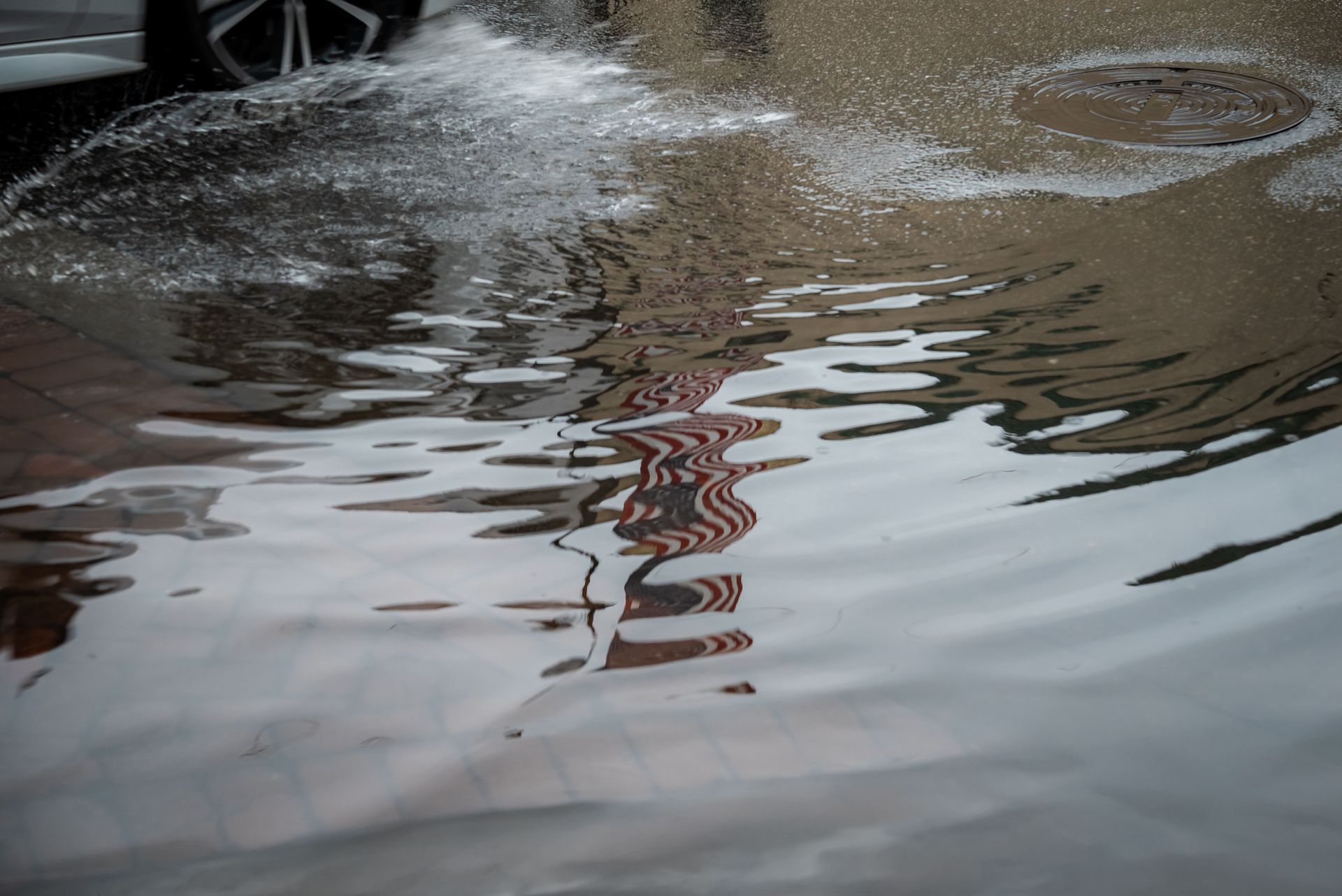
Once the thaw sets in, the risk shifts from frozen pipes to overloaded drains. A sudden rise in temperature after a hard freeze often brings rain with it, and thawing ground plus heavy rainfall is a combination that Dublin and Kildare drainage systems see every winter. If your drains were already running close to capacity, this is when a slow-draining gully turns into standing water across a driveway or garden.
Watch for the early warning signs. Gurgling sounds from indoor drains, water pooling around outdoor gullies, or a manhole cover that seems to be under pressure are all signals that your system is struggling to keep up. Catching these signs early, before a full flood develops, gives you a much better chance of a straightforward fix rather than an emergency call-out.
If flooding does happen, avoid putting anything else down the drains until the water has cleared, since this only adds to the backlog. Keep an eye on manhole covers and never attempt to lift one yourself during a flood, as fast-moving water and gas build-up can make this genuinely dangerous. It's a job for a professional with the right equipment and training.
4. Getting Your Drainage Ready Before the Cold Sets In
The single best thing you can do for your drains this winter is get ahead of the problems before the temperature drops. A CCTV drain survey before the cold weather arrives can identify root intrusion, cracked pipework or a partial blockage while it's still a simple fix, rather than waiting for it to fail completely in the middle of a storm.
High-pressure water jetting is another good pre-winter step, particularly for drains that have been sluggish over the autumn months. Clearing grease, silt and debris now means your system has full capacity to cope when the rain arrives, instead of starting the winter already half-blocked.
This matters just as much for commercial premises and rental properties as it does for family homes. Landlords and property managers carry real responsibility for drainage that serves multiple units, and a preventative check now is a lot cheaper than an emergency response later, both in terms of cost and disruption to tenants or customers.
Winter drainage problems are almost always more manageable when they're caught early, whether that's lagging a pipe before the frost hits or clearing a drain before the rain does. A little preparation now can be the difference between a quiet winter and a stressful one.
If you'd rather have a professional check your drains and pipework before the cold weather really sets in, or if you're already dealing with a frozen pipe or a flooded drain, Drain Medic is ready to help. Call us on (01) 505 9494 or email info@drainmedic.ie and we'll get your drainage sorted, fast.