
Why Your Outside Gully Keeps Overflowing in Dublin Homes
Outside Gully Overflowing Explained
An outside gully overflowing again and again usually means a blockage in the gully trap itself or further down the drain it feeds. Leaves, silt, fat and soap scum build up in the trap, while root ingress, a displaced joint or a blocked manhole downstream back water up. In Dublin homes it shows up most after heavy rain.
Below we explain what a gully actually does, the common reasons it overflows, a few simple checks you can make yourself, when it is time to call our drain unblocking team, and how to stop the problem coming back.
What an Outside Gully Does
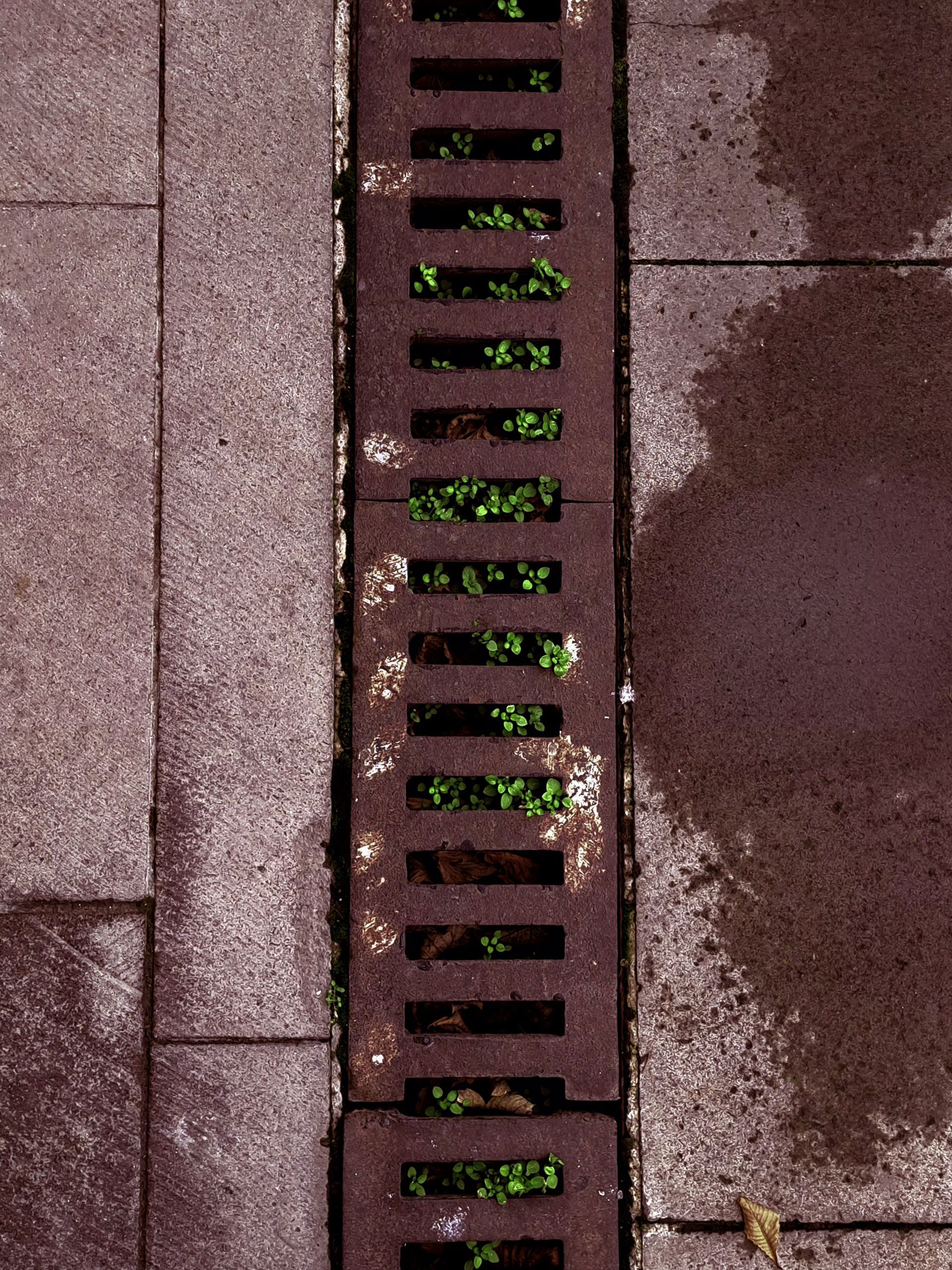
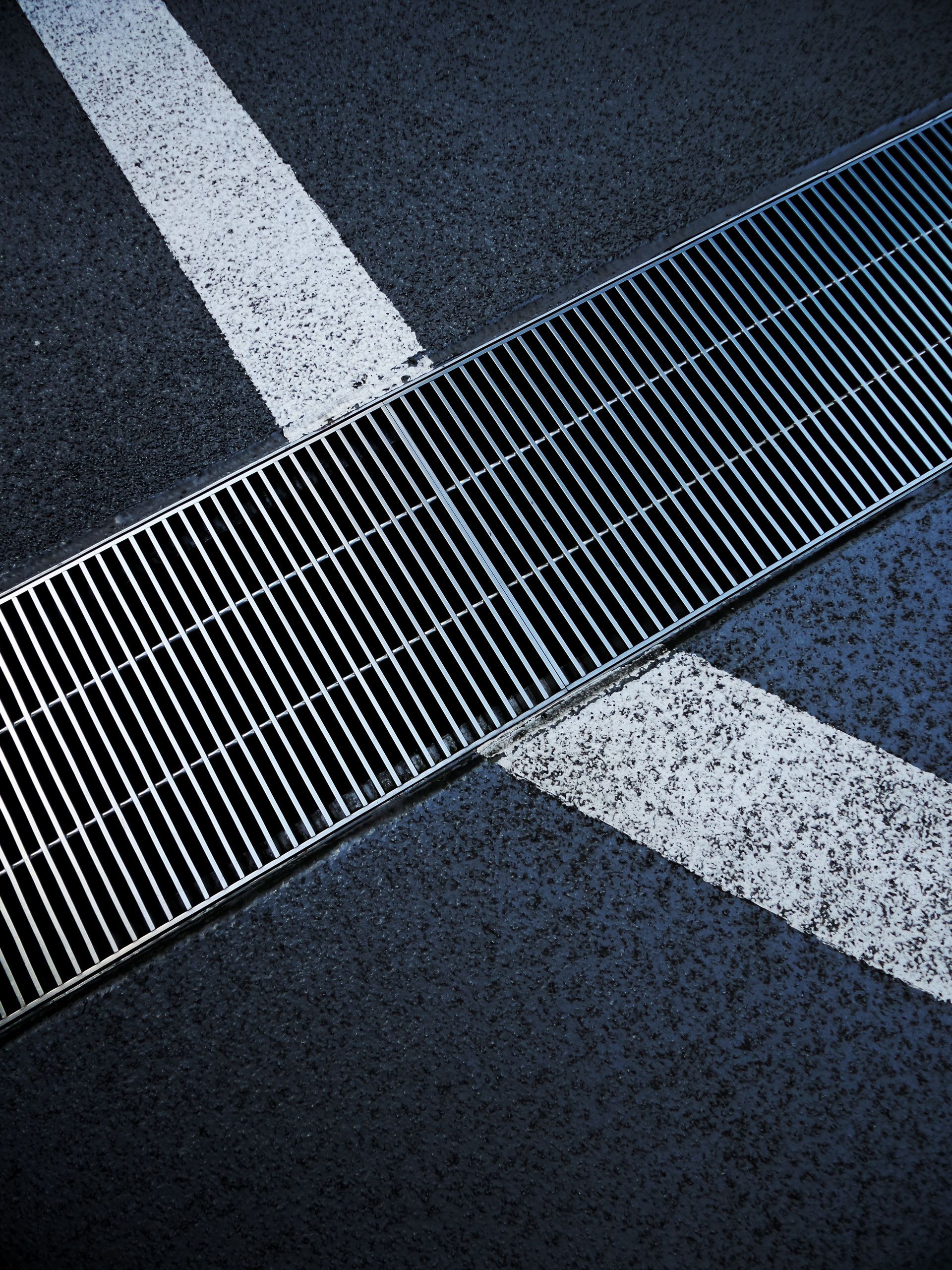
A gully is the small square or round grate you usually see at ground level beside your back wall, often at the bottom of a downpipe or under the waste pipe from the kitchen sink or washing machine. Underneath the grate is a U-shaped trap that holds a small pool of water. That water seal stops smells and, in many cases, rats from coming back up out of the drain.
Most houses have one or more gullies. Some take only rainwater from the roof and send it to a surface water drain or soakaway. Others, called back-inlet gullies, also take waste water from the kitchen, utility room or bathroom and feed into the foul drain. Many older houses have combined drains, where rainwater and waste water share the same pipes, which is one reason gullies there are so sensitive to heavy rain.
Because the gully is often the lowest open point on the drain run, it is usually the first place water appears when anything downstream is blocked. So the gully is often the symptom rather than the cause.
Common Causes of a Blocked Gully Trap
When we are called to an overflowing gully, the cause usually falls into one of the following groups.
Leaves, silt and debris
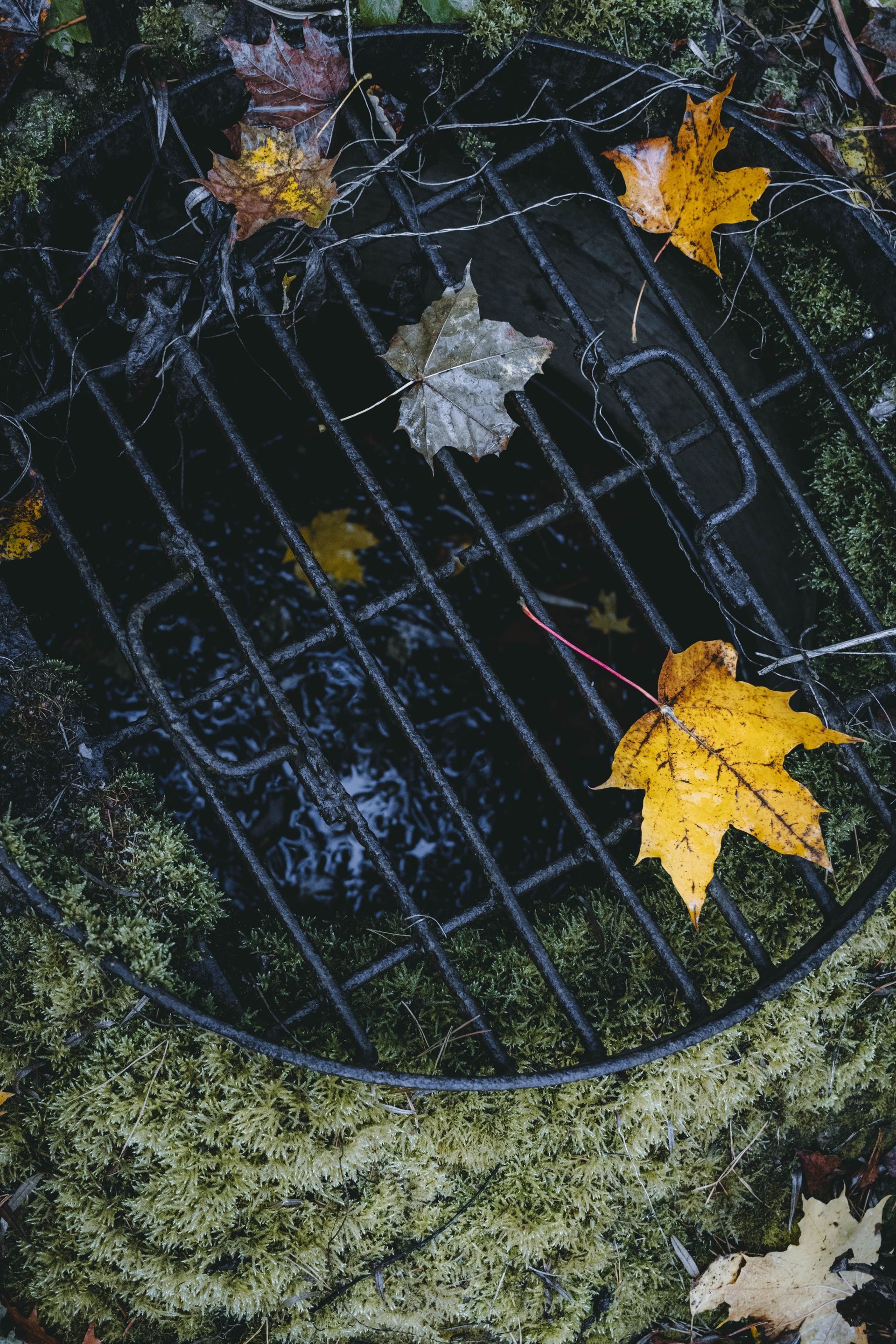
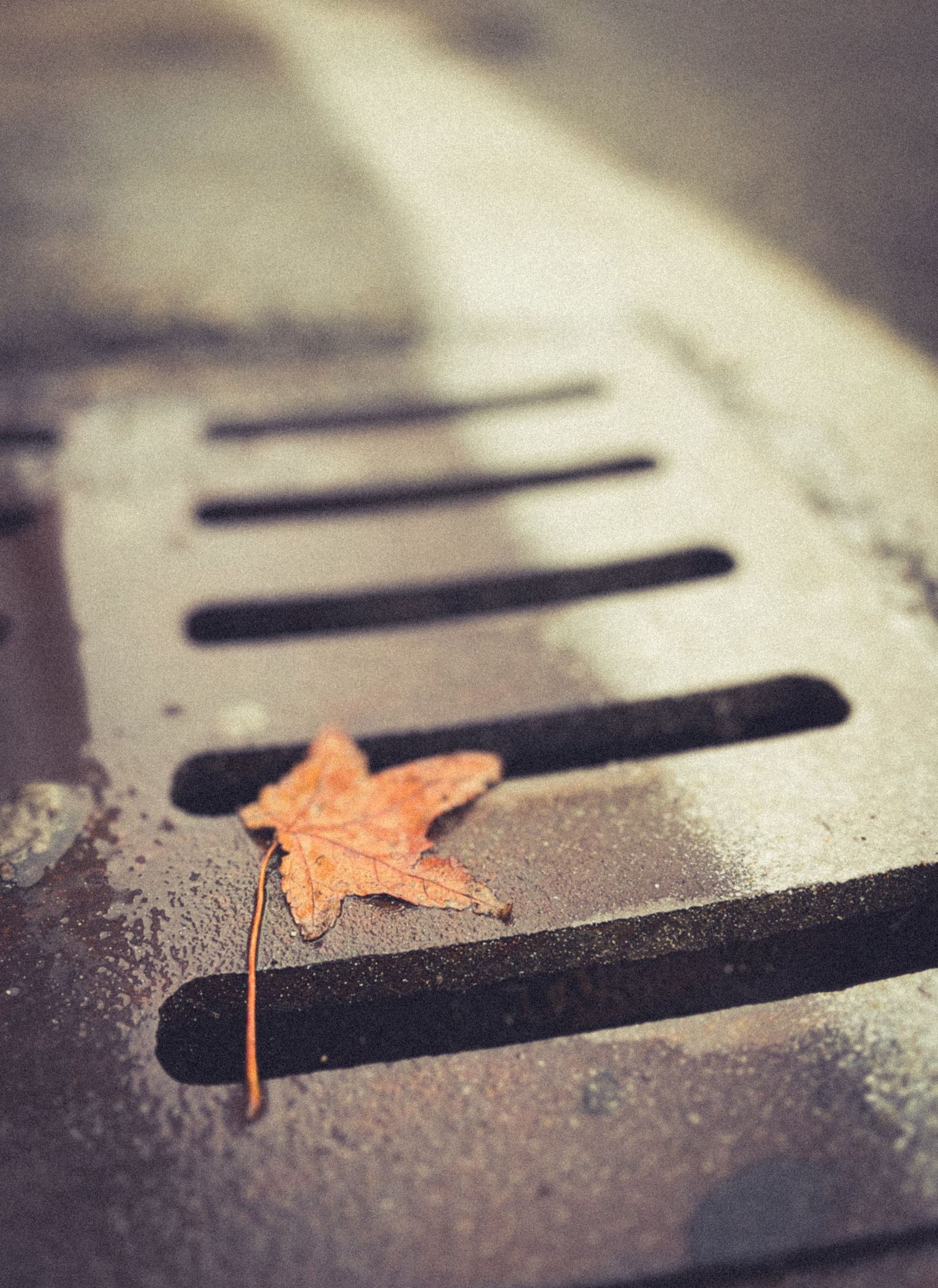
In autumn the grate and trap fill with wet leaves, moss from the roof, grit washed down the downpipe and general garden debris. Once the trap is half full of sludge, it cannot pass water quickly enough, so even a moderate shower makes it overflow. Early November is peak season for this, when most leaves are down and the rain is regular.
Fat, grease and soap
If the kitchen sink or dishwasher drains into the gully, cooking fat and grease cool and harden in the trap. Over time this forms a thick layer that traps food scraps, soap scum and lint from the washing machine. You might notice the gully overflows mostly when the washing machine empties or after a big wash-up, rather than in the rain.
A blockage further down the drain
Very often the gully is clear and the real problem sits in the underground pipe or in a manhole chamber between your house and the public sewer. Wet wipes, sanitary products, nappies, fat and roots can all form a blockage here. Because water backs up to the lowest open point, the gully overflows even though nothing is wrong with it.
Damaged or displaced pipework
Tree and shrub roots can push into joints, cracked clay pipes can let soil in, and joints can shift as the ground settles. These faults catch debris and slow the flow, so blockages return within weeks or months of being cleared. This is the classic sign that the gully keeps overflowing no matter how often it is cleaned out.
Too much rainwater for the drain
During a heavy downpour a gully that takes water from a large roof, or from several downpipes, can simply be overwhelmed, especially if the pipe beyond it is partly blocked or the soakaway it drains to has silted up. If the public sewer itself is surcharged in a storm, water can also back up into private drains.
Simple Checks for an Outside Drain Overflowing
Before calling anyone, a few safe checks can tell you a lot about where the blockage is. Wear rubber gloves and keep children and pets away from the area.
- Clear the grate. Lift off the grate and remove leaves and debris by hand or with a small trowel. Clean the grate itself so water can get through.
- Scoop out the trap. Reach into the trap and take out as much sludge as you safely can, then pour a bucket of warm water through to see if it drains freely.
- Lift the nearest manhole cover. If the manhole chamber is full of standing water, the blockage is further downstream. If the chamber is empty or flowing, the problem is between the gully and the manhole.
- Note when it overflows. Overflowing only in heavy rain points to leaves, silt or an overloaded pipe. Overflowing when the sink or washing machine empties points to grease or a blockage in the waste line.
- Check for smells. A sewage smell from a gully that is not blocked often means the trap seal has dried out or the trap is cracked.
Avoid pouring strong chemical drain cleaners into a gully. They rarely shift a solid blockage, they can damage older pipes, and they make the job more hazardous for whoever has to clear it afterwards. Our earlier guide on how to unblock a drain outside covers safe DIY methods in more detail.
When to Call a Drainage Engineer
If the gully is clear but still overflowing, the manhole is full, or the same gully blocks again within a few weeks, the cause is almost certainly underground. At that point, rods from a DIY shop rarely solve the problem for long, and repeated overflows can soak walls, undermine paths and attract rats.
Our emergency drain unblocking team starts by finding where the blockage sits and what it is made of. We then clear the line with drain rods or high-pressure water jetting, which scours fat, silt and roots off the pipe walls rather than just punching a hole through the blockage. Regular drain cleaning works the same way for gullies that take a lot of kitchen waste.
Where a gully keeps overflowing after it has been cleared, we recommend a CCTV drain survey. A camera is pushed through the pipe so we can see cracked or displaced joints, root ingress, sagging sections or a collapsed pipe. That way any repair, whether patching, relining or excavation, is based on what is actually there rather than guesswork.
What affects the cost of fixing an overflowing gully
- Where the blockage is and how easy the gully and manholes are to reach
- Whether rodding is enough or high-pressure water jetting is needed
- Whether a CCTV drain survey is needed to find a recurring fault
- Any repair work, such as replacing a cracked gully pot or fixing a damaged pipe
- Call-out timing, for example a weekend or late-night emergency
Who Is Responsible for a Blocked Gully
The gullies around your house and the drains that serve only your property are generally the owner's responsibility. Drains shared with neighbours can be more complicated, so it is worth checking your title documents or management company if you live in an apartment or a managed estate. Landlords are usually responsible for drains at rented properties, although tenants should report problems early.
Gullies on the public road or footpath are a different matter. Dublin City Council cleans road gullies and handles reports of blocked gullies in its area, so an overflowing gully on the street outside your house should be reported to the council rather than cleared privately.
How to Stop Your Outside Gully Overflowing
A little regular care goes a long way, particularly heading into winter.
- Check and clear the grate every few weeks in autumn, and after any storm.
- Fit a leaf guard or a finer grate over gullies under trees or large roofs.
- Keep fat, oil and food scraps out of the kitchen sink, and wipe greasy pans before washing.
- Clean out the gutters so less moss and grit wash down the downpipes. Our post on stopping autumn leaves blocking your drains and gutters has more on this.
- Never flush wipes, even those labelled flushable, as they often end up in the same drain as the gully.
- Book a drain clean if a gully has needed clearing more than once in a year.
Getting Your Gully Flowing Again
An outside gully overflowing once after a storm full of leaves is easy to put right. One that keeps overflowing is telling you something is wrong with the trap or the drain beyond it, and the sooner the cause is found, the less damage it does. Across Dublin and Kildare we clear blocked gullies, jet drains and carry out CCTV surveys so the problem is fixed properly the first time.
If your gully keeps overflowing, contact Drain Medic and we will come out, find the cause and get things flowing again. Call us on (01) 505 9494 or email info@drainmedic.ie.