
Blocked Drains in Dublin: Common Causes and How to Fix Them Fast
A blocked drain rarely picks a convenient moment to make itself known. It might start as a sink that drains a little slower than usual, or a faint smell drifting up from the shower plughole on a Tuesday morning. Ignore it for a week or two, and you could be looking at standing water, a nasty odour through the house, or worse, a burst pipe that needs emergency repair. For homes and businesses across Dublin, blocked drains are one of the most common, and most avoidable, plumbing problems around.
Understanding why drains block in the first place, and knowing which signs mean call someone now rather than keep an eye on it, can save you time, money and a lot of stress. In this guide, we will walk through the usual culprits behind blocked drains in Dublin homes and businesses, the warning signs worth acting on, and what actually happens when a professional team like Drain Medic gets involved.
1. Common Causes of Blocked Drains in Dublin
Dublin's mix of older housing stock, dense residential streets and heavy autumn rainfall creates a fairly predictable set of drainage problems. Fat, oil and grease poured down kitchen sinks is still one of the biggest offenders, cooling and hardening inside the pipe until it gradually narrows the space water can pass through and the drain backs up completely. Bathrooms tend to suffer from a different build-up: hair, soap residue and toiletry wipes that were never designed to be flushed, all binding together into a solid mass a few metres down the line.
Outside, tree roots are a quieter but equally destructive cause. Roots are drawn to the moisture and nutrients inside a drain run, and over time they can force their way through small cracks or joints, catching debris and eventually blocking the pipe entirely. Add in fallen leaves clogging gullies every autumn, silt and debris washing in during heavy rain, and older clay or cast iron pipework that has simply degraded with age, and it is easy to see why blocked drains are such a regular call-out across Dublin, Kildare and the surrounding areas.
Commercial properties face their own version of the same problem, usually magnified. Restaurants and cafes without well-maintained grease traps can see far more serious blockages, far more quickly, simply because of the volume of fat and food waste going down the drain every service. What starts as a slow sink in a domestic kitchen can become a full drainage failure in a commercial one within days rather than weeks.
2. Warning Signs You Should Not Ignore
Most blocked drains give some warning before they become a full emergency, if you know what to look for. A sink, bath or shower that drains more slowly than it used to is usually the first sign, with water pooling around your feet in the shower, or a bath that takes an unusually long time to empty. Gurgling sounds from a toilet or sink when another fixture is used elsewhere in the house often point to a blockage further down the shared pipework, restricting airflow through the system.
Unpleasant smells are another red flag worth taking seriously. A persistent bad odour from a plughole, an outside gully, or even seeping up through your garden can indicate trapped waste breaking down inside the pipe. And if you notice water backing up in an unexpected place, for example your toilet bubbling when you run the washing machine, that is a strong signal there is a blockage affecting more than one part of your drainage system, and it is time to get it looked at properly rather than waiting to see if it clears on its own.
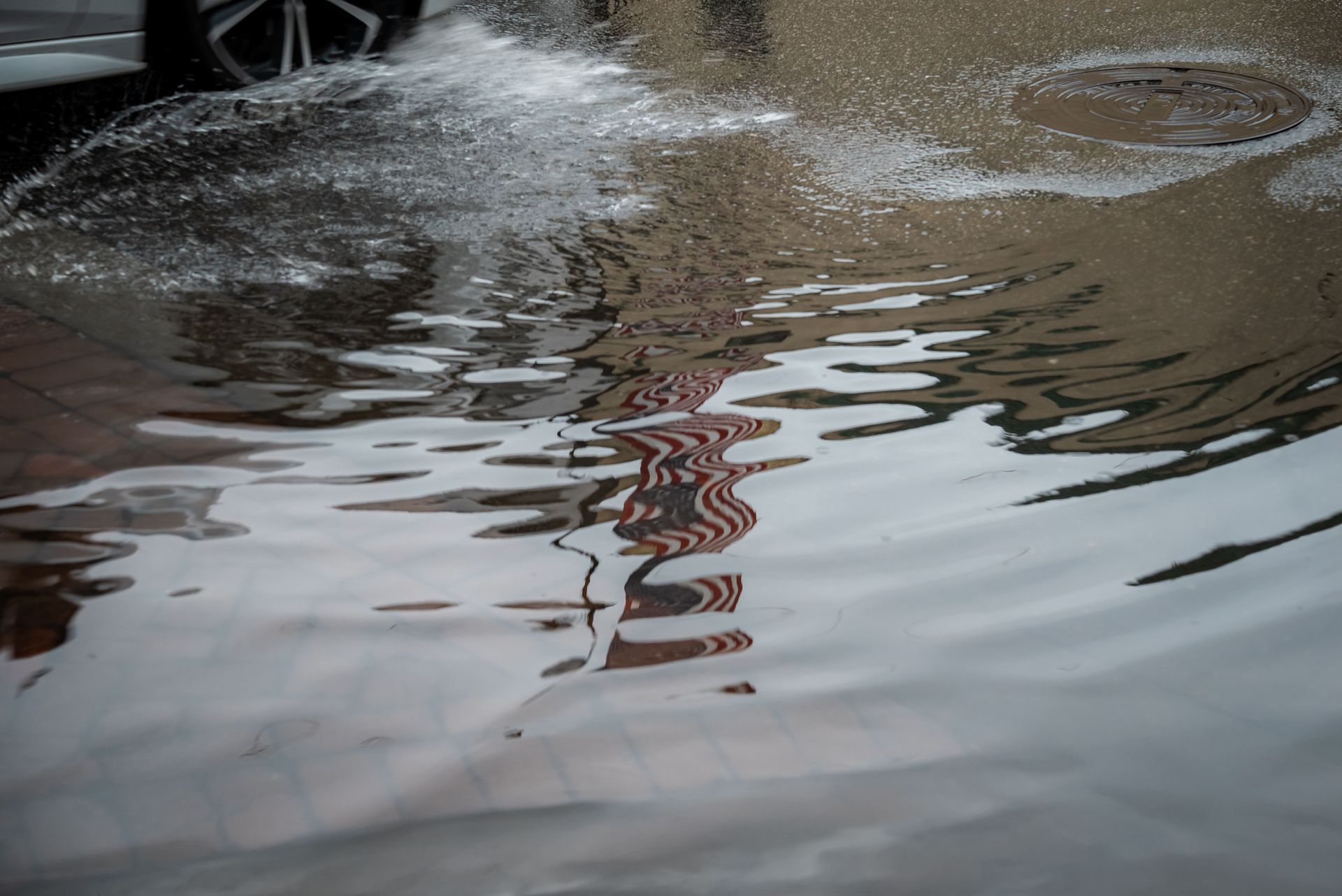
Have you ever noticed your drains behaving strangely right after heavy rain? That is often a sign your drainage system is already under pressure before the weather adds to the load.
3. DIY Fixes vs Calling a Professional
For a simple, isolated slow drain, a plunger or a set of drain rods can sometimes clear the immediate problem, and there is nothing wrong with trying that first. Boiling water and a little bicarbonate of soda can help with light grease build-up in a kitchen sink too. But these approaches only really work on blockages that are close to the surface and made of relatively soft material.
Once a blockage is further down the run, involves multiple fixtures, or keeps coming back within weeks of clearing it, DIY methods tend to just push the problem along the pipe rather than solving it. Chemical drain cleaners can make matters worse by damaging older pipework, and repeated plunging will not tell you whether the real cause is a collapsed section of pipe, invasive tree roots, or a structural issue that needs proper diagnosis. That is usually the point where it makes sense to call in a professional team with the right equipment to actually see what is happening inside the pipe.
4. How Drain Medic Fixes Blocked Drains Fast
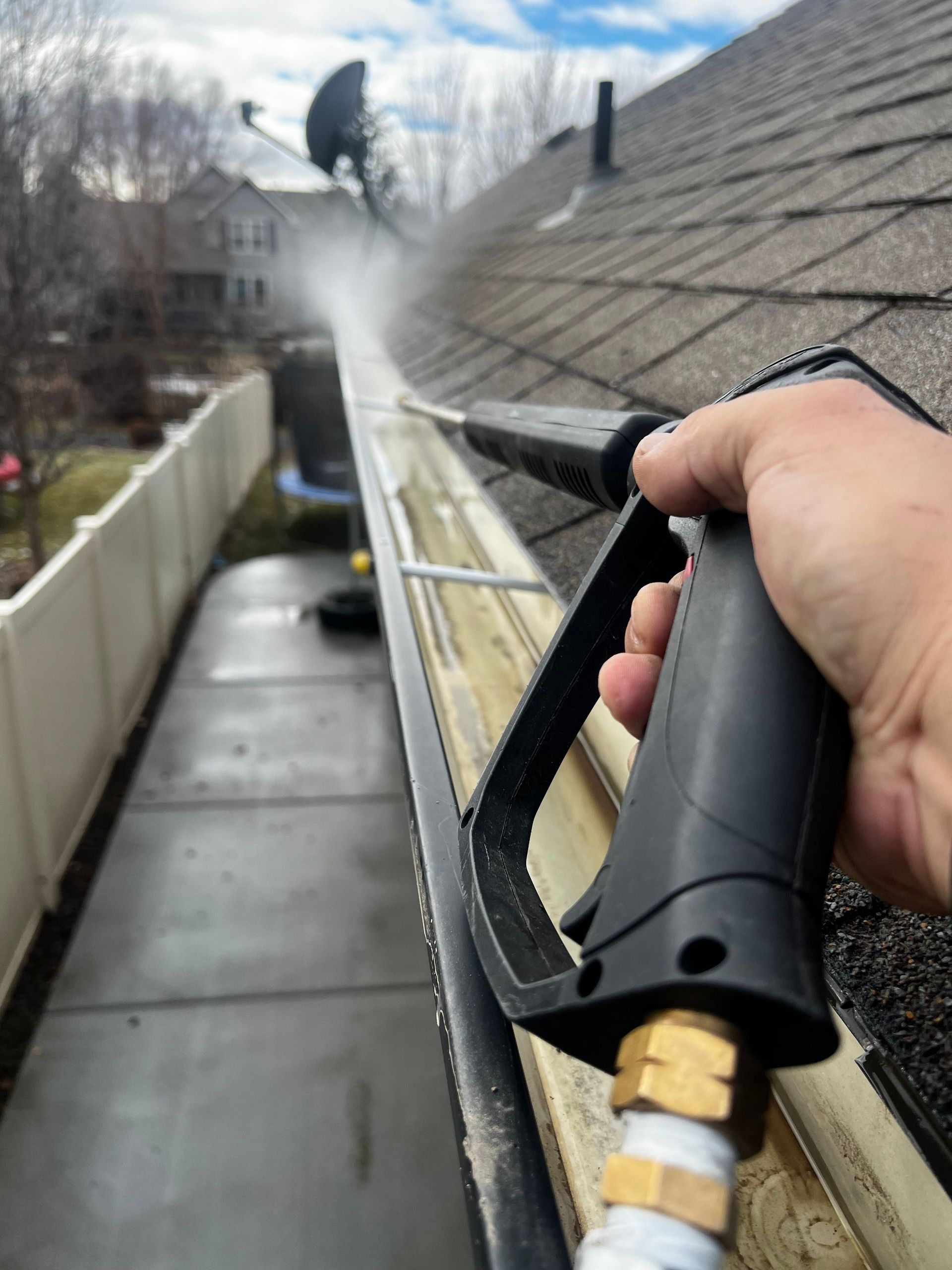
At Drain Medic, we start most call-outs with a CCTV drain survey, sending a camera through the pipework to see exactly where the blockage is and what is causing it, rather than guessing. That means we can tell you straight away whether you are looking at a simple clear-out, a deeper clean, or a repair. From there, our engineers use high-pressure water jetting to clear stubborn blockages quickly and thoroughly, cutting through grease, roots and debris without unnecessary excavation in most cases.
Where a pipe has been damaged, collapsed or worn away, we can often carry out no-dig drain relining rather than digging up your driveway or garden, saving time, disruption and expense. We work with homeowners, landlords, letting agents and commercial premises right across Dublin and into Kildare, and we offer emergency drain unblocking for the moments when a blockage simply cannot wait.
Blocked drains are frustrating, but they are rarely something you have to just live with or gamble on fixing yourself. Catching the early signs, understanding what is really going on beneath your property, and knowing when to bring in an expert can turn a stressful situation into a quick, straightforward fix. If your drains are running slow, smelling bad, or backing up, do not wait for it to get worse.
Get in touch with Drain Medic on (01) 505 9494 or email info@drainmedic.ie, and our team will get your drains flowing freely again, fast, and with minimal disruption to your home or business.
Recent Posts